MATH-H2 | Science & Engineering Practices
Grades 9-12
Use mathematical, computational, and/or algorithmic representations of phenomena or design solutions to describe and/or support claims and/or explanations.
NGSS | Science & Engineering Practices
Find FREE, ready-to-teach lessons, videos, and more for MATH-H2 (Next Generation Science Standards). Built by scientists, teachers & artists.
MATH-H2 | Science & Engineering Practices
Grades 9-12
Use mathematical, computational, and/or algorithmic representations of phenomena or design solutions to describe and/or support claims and/or explanations.
Created with purpose: see how resources connect to this standard.
Showing 3 of 3 units
Balancing Act: Tradeoffs in frogs, humans, and other animals
.png)
Students will follow in the soggy footsteps of scientists wading through ponds at night to record frogs as they learn about biological tradeoffs that connect humans to horses to frogs. Along the way, they'll decide which male a female frog should choose as a mate, based on analysis of call performance.
Alignment summary( Connected)
Lesson 2
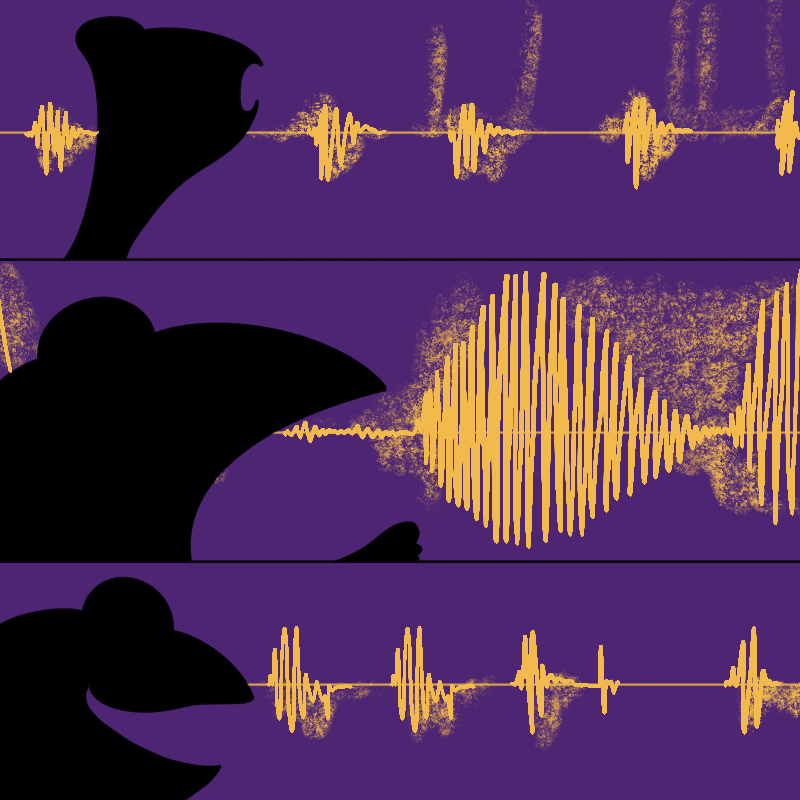
In Lesson 2, students interpret spectrograms, using math to understand and explain frog calls. This ties directly to the standard's focus on using quantitative tools to support scientific claims.
Included resources
3 lessons and 6 supporting media items.
.png)
.png)
Lesson 2
Supporting videos
Additional Resources
Supporting videos
Additional Resources
Supporting videos
Females singing to be heard: Challenging long-held assumptions about birdsong through data visualization

Students will learn how data visuals tell a story. They will analyze real bird song data to try to understand why female singing behavior has been overlooked in one of the most common birds in the world. They will also gain a deeper insight into the scientific peer review process.
Alignment summary( Connected)
Included resources
3 lessons and 8 supporting media items.

Lesson 1
Supporting videos
Lesson 2
Supporting videos
Lesson 3
Supporting videos

Hybrid Zones: Evolution's Testing Grounds
.png)
Students will learn that hybrids are not flukes—they’re commonly found in the wild and our grocery stores! By playing and reflecting on Foraging Frenzy (a research-inspired memory game) students will appreciate how climate change affects species ranges and the direction of evolution.
Alignment summary( Connected)
Lesson 3
Students use charts and graphs to analyze data and explain how traits affect survival in different environments.
Included resources
3 lessons and 4 supporting media items.


Lesson 2
Supporting videos

Lesson 3
Supporting videos