ARG-M3 | Science & Engineering Practices
Construct, use, and/or present an oral and written argument supported by empirical evidence and scientific reasoning to support or refute an explanation or a model for a phenomenon or a solution to a problem.
NGSS Science & Engineering Practices
Find free, ready-to-teach resources aligned to ARG-M3. Designed with teachers and artists, in partnership with STEM researchers.
ARG-M3 | Science & Engineering Practices
Construct, use, and/or present an oral and written argument supported by empirical evidence and scientific reasoning to support or refute an explanation or a model for a phenomenon or a solution to a problem.
Created with purpose: see how resources connect to this standard.
Showing 3 of 3 units
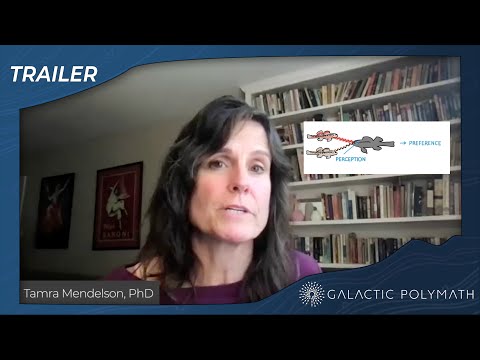
I Like That!: How perception, emotion, and cognition shape our preferences
.png)
Students will conduct experiments and analyze real scientific data as they learn about themselves. They'll learn how our eyes and brains interact to determine what we like and dislike, and apply this knowledge to fish research and the art of character design.
Alignment summary( Target)
Lessons: 1, 2, 3
Throughout all 3 parts of the lesson, students are given multiple opportunities to think-pair-share, have structured classroom discussions, and work with groups to gain understanding.
Included resources
3 lessons and 6 supporting media items.


Lesson 3

Bioinspired Design: Looking to Biology for Better Solutions

Students will identify a problem with an existing product and investigate biological functions to inspire a product redesign. Through independent research using AI bots and scholarly sources, students will gain a new perspective on STEM, biology, and the human interface between.
Alignment summary( Connected)
Lesson 5
Through the Bioinspired Design Canvas and/or a the final presentations, students will communicate their process from beginning to end.
Included resources
5 lessons and 4 supporting media items.


Lesson 3

Lesson 4

Lesson 5
Females singing to be heard: Challenging long-held assumptions about birdsong through data visualization

Students will learn how data visuals tell a story. They will analyze real bird song data to try to understand why female singing behavior has been overlooked in one of the most common birds in the world. They will also gain a deeper insight into the scientific peer review process.
Alignment summary( Connected)
- Students create and compare results of a scatter plot and histogram using real scientific data
Included resources
3 lessons and 8 supporting media items.

Lesson 1
Supporting videos

Lesson 2
Supporting videos

Lesson 3
Supporting videos