AQDP-M1 | Science & Engineering Practices
Grades 6-8
Ask questions that arise from careful observation of phenomena, models, or unexpected results, to clarify and/or seek additional information.
NGSS | Science & Engineering Practices
Find FREE, ready-to-teach lessons, videos, and more for AQDP-M1 (Next Generation Science Standards). Built by scientists, teachers & artists.
AQDP-M1 | Science & Engineering Practices
Grades 6-8
Ask questions that arise from careful observation of phenomena, models, or unexpected results, to clarify and/or seek additional information.
Created with purpose: see how resources connect to this standard.
Showing 8 of 8 units
Fairywrens and the Art of Inquiry: How do scientists pick a question to study?
.png)
Spark your scientific thinking by observing cute Australian bird behavior! Fun, interactive videos feature real biologists and student inquiry & observation. Analyze the scientists' real data to get a window into ongoing research on the evolution of group size in fairywrens.
Alignment summary( Target)
Lessons: 1, 2
Students will work on the skill of asking questions using fairywren behavior as the phenomena.
Included resources
2 lessons and 3 supporting media items.
Future Foods: Can we reduce the carbon footprint of our favorite meals?
Food and climate are deeply connected. Students will dig into data to discover how our food choices impact greenhouse gas emissions. They will propose solutions to reduce their carbon “foodprint,” both as current consumers and as future food engineers. Students will eat this up in class and savor it for years to come!
Alignment summary( Target)
Lessons: 1, 2
Students will compare data sets to ask questions about which factors determine the total carbon footprint of food items.
Included resources
4 lessons and 4 supporting media items.


Lesson 4
I Like That!: How perception, emotion, and cognition shape our preferences
.png)
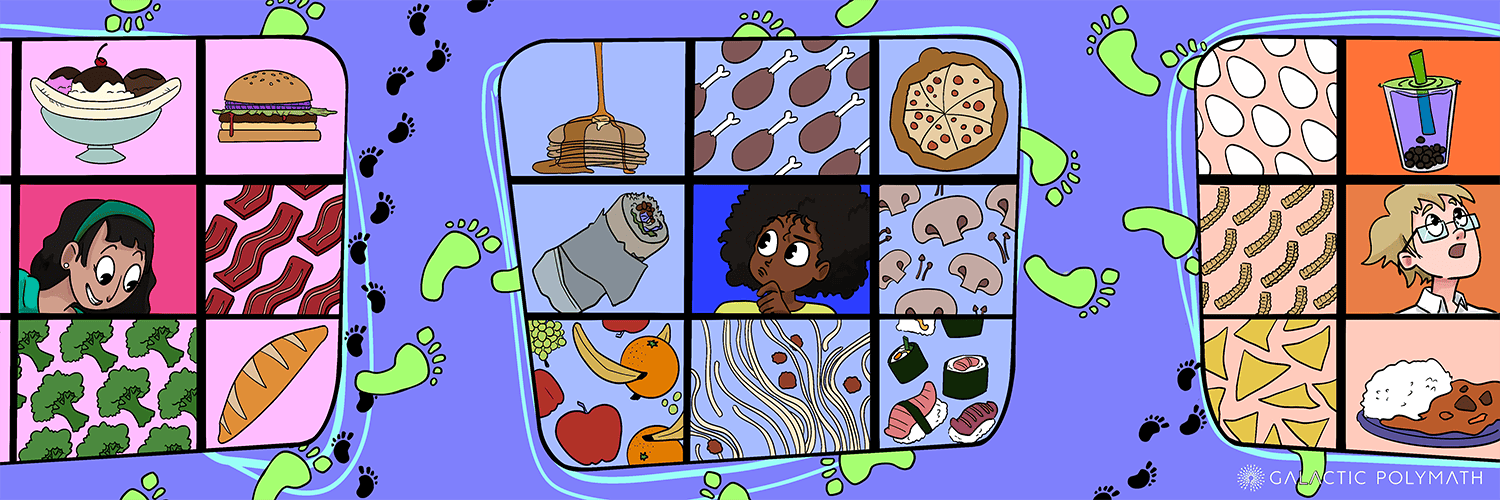
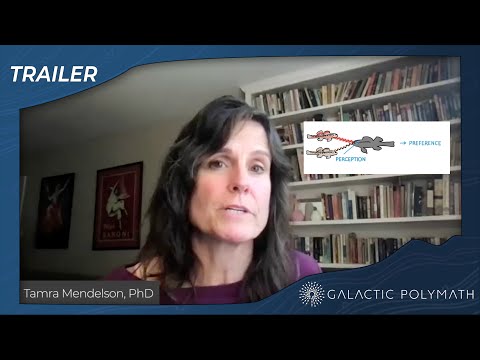
Students will conduct experiments and analyze real scientific data as they learn about themselves. They'll learn how our eyes and brains interact to determine what we like and dislike, and apply this knowledge to fish research and the art of character design.
Alignment summary( Target)
Lesson 1
In part 1, students investigate the researcher's concept map through experimentation.
Included resources
3 lessons and 6 supporting media items.

Lesson 3
SciJourneys: Building Resilience in Science
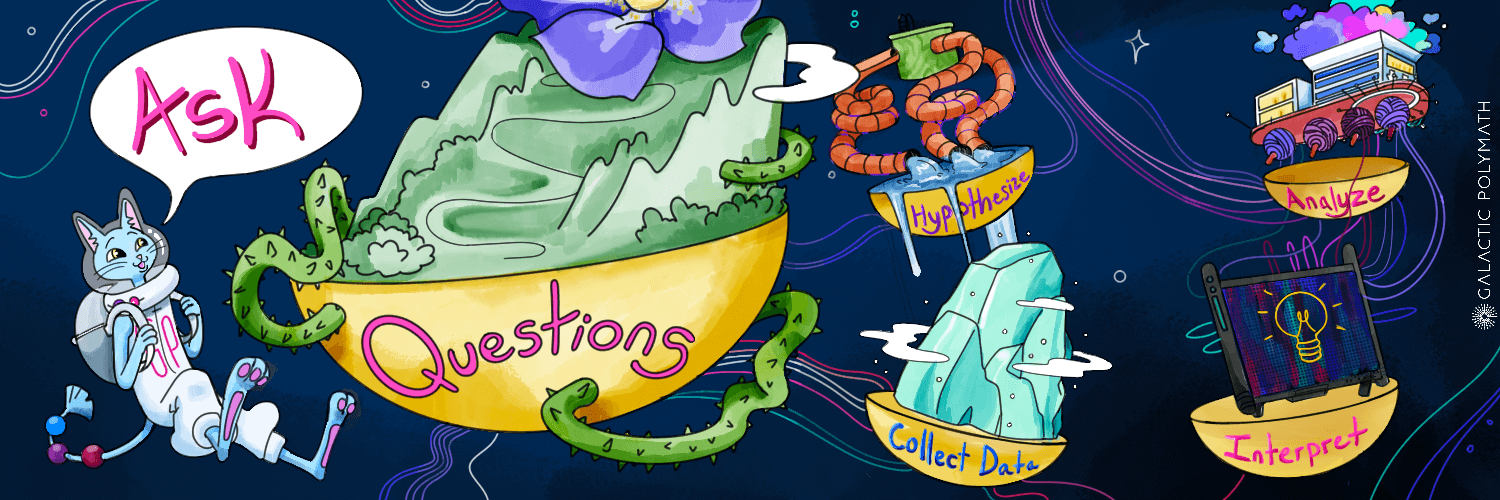
Help students sharpen their skills of inquiry and critical thinking and see that science is all around them! This student-centered, active learning unit helps students build resilience and growth mindsets as they approach scientific methods. Features 3 early career women in STEM!
Alignment summary( Target)
Lessons: 1, 2, 3
In Lesson 1, students observe an image and write down as many questions as they can related to it; in Lesson 2, they observe and categorize hypotheses, asking questions to determine if they can be tested; and in Lesson 3, they ask questions to determine what data they would need to collect to better understand a phenomenon.
Included resources
3 lessons and 8 supporting media items.


Lesson 3
Supporting videos
The Science of Craft: Building New Materials with Old Techniques
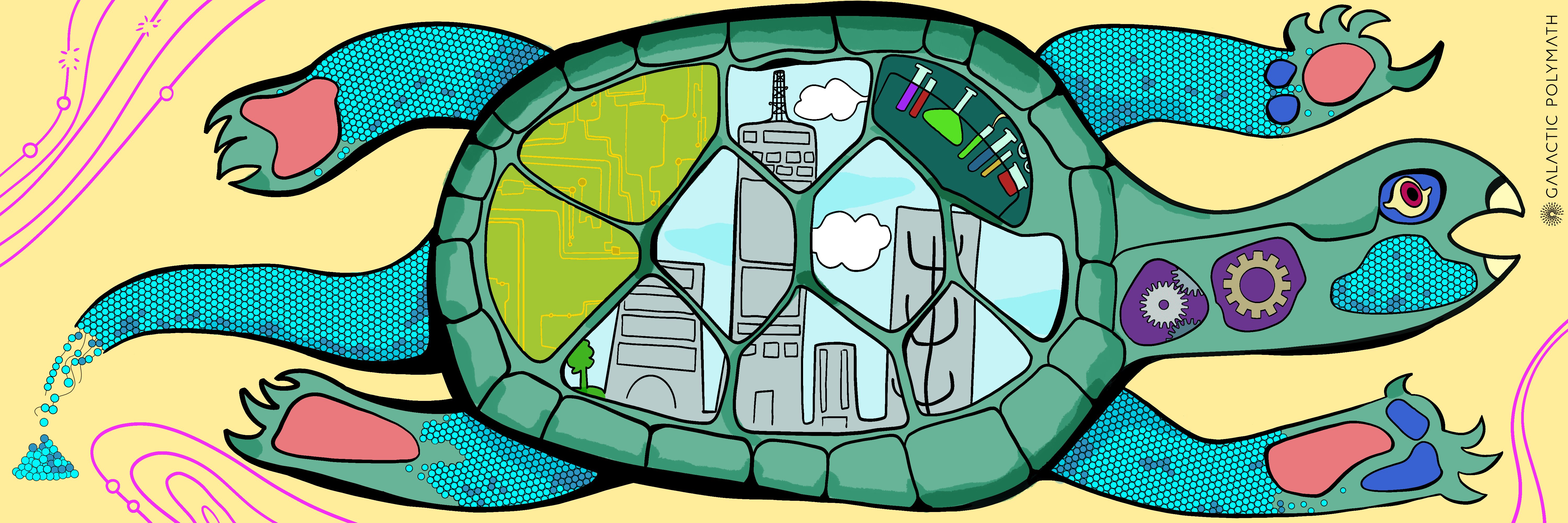
STEM is older and more expansive than you might imagine. Crafted materials, like knit sweaters and woven baskets, were our ancestors’ solutions to everyday problems. In this lesson, we learn the geometry and physics of traditional crafts, and explore how these technologies help us engineer new solutions for the future!
Alignment summary( Target)
Lesson 1
Students observe various materials to determine how the properties of those materials come about. Students ask questions and discuss the materials with their peers to seek aditional information.
Included resources
3 lessons and 5 supporting media items.


Lesson 2
Supporting videos

Guardian Frogs of Borneo: Why Exceptions Matter in Biology and Everyday Life
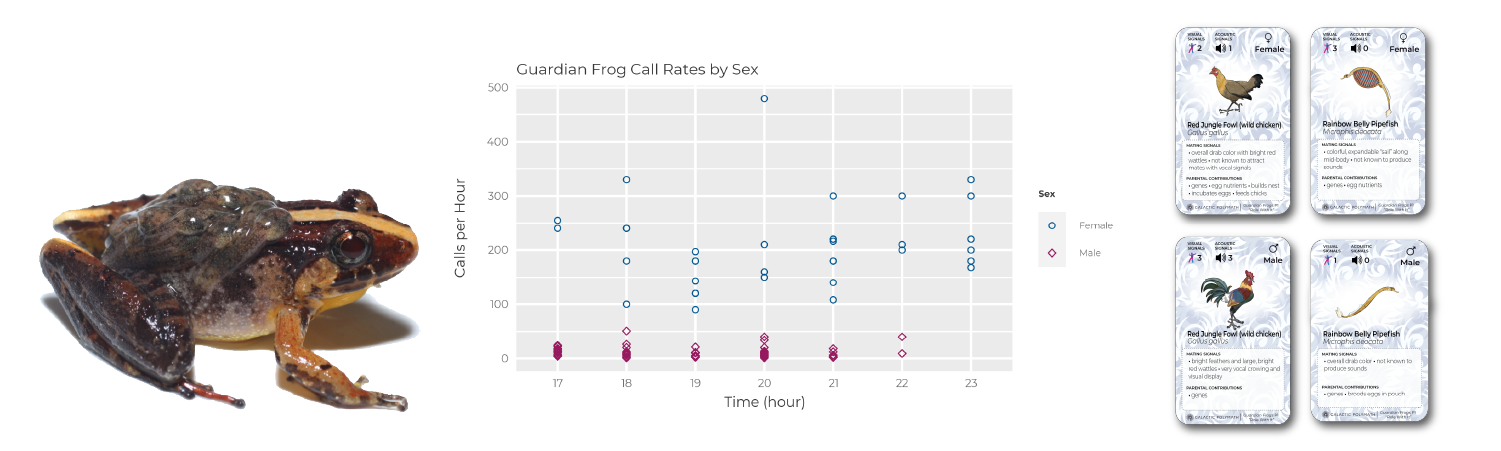
Out of 8,000+ frog species, Guardian Frogs are one of the first to show females that call & males that care for offspring. Students will gain wonder and appreciation for how diverse animal mating systems are while doing fun activities and analyzing real data.
Alignment summary( Connected)
Students will practice looking at real data that is variable, and become familiar with looking at mean and variability, through experience plotting boxplots and follow-up interpretation of data and discussion.
Included resources
3 lessons and 3 supporting media items.
Micro Matchups: A multimedia-rich exploration of protists

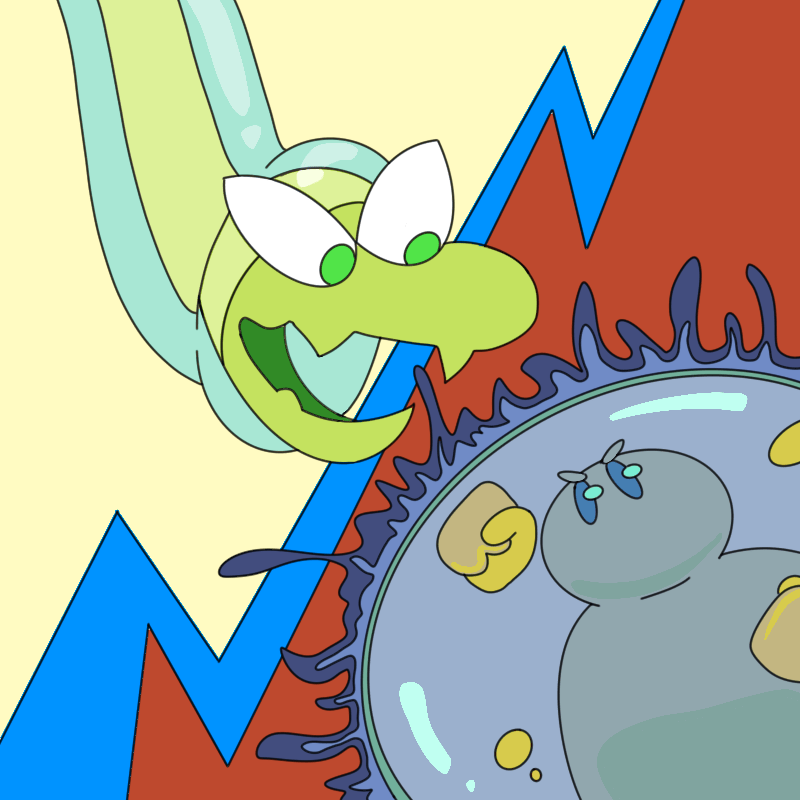
Pique curiosity about protists with stunning videos of microscopic matchups. Predict the outcomes using text and data, then watch a Duke researcher provide detailed commentary and research connections. An awesome intro to the wonderful world of protists for middle school to adults.
Alignment summary( Connected)
Lesson 1
Students will develop questions about protists, their ecosystems, and their interactions by observing videos and pictures.
Included resources
1 lesson and 6 supporting media items.
Lesson 1
Supporting videos
What Do Birds Do in Winter?: A data-driven investigation of remarkable adaptations
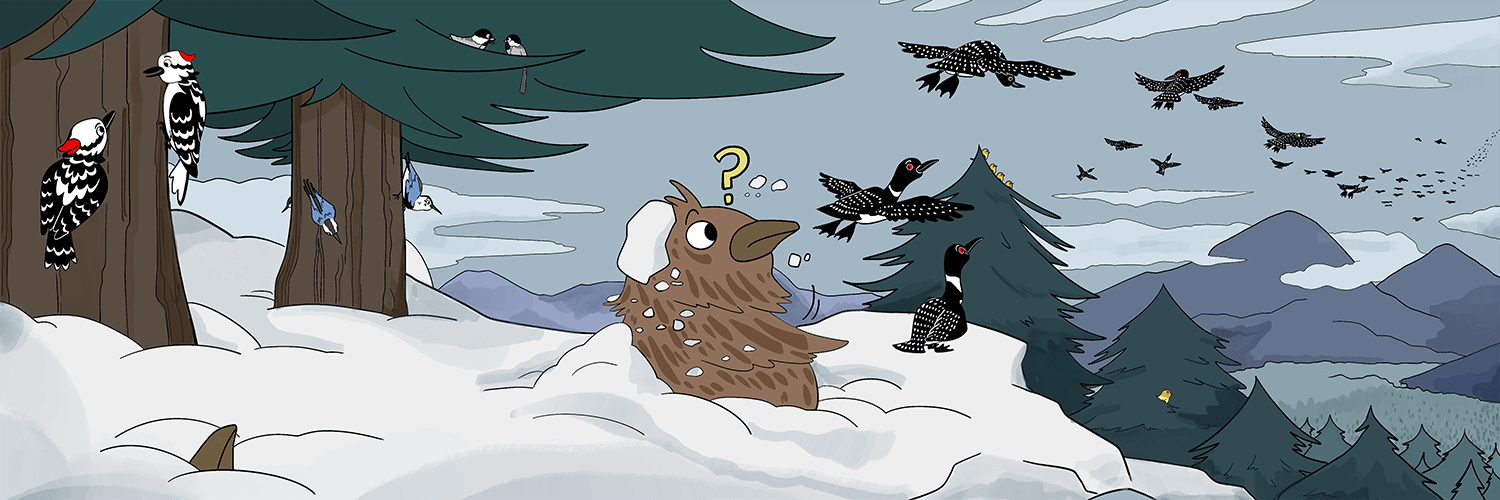
Explore the secret lives of nonmigratory winter birds! Use data, games, and simulations to uncover their unique adaptations for surviving the cold and reveal the 'feathered flurries of activity' in the dead of winter.
Alignment summary( Connected)
Lessons: 1, 2, 3
Students will observe data, images, and videos of birds in winter to develop questions about feeding behaviors.
Included resources
3 lessons and 3 supporting media items.


.png)

