SYS-H3 | Cross-Cutting Concepts
Grades 9-12
Models (e.g., physical, mathematical, computer models) can be used to simulate systems and interactions–including energy, matter, and information flows– within and between systems at different scales.
NGSS | Cross-Cutting Concepts
Find FREE, ready-to-teach lessons, videos, and more for SYS-H3 (Next Generation Science Standards). Built by scientists, teachers & artists.
SYS-H3 | Cross-Cutting Concepts
Grades 9-12
Models (e.g., physical, mathematical, computer models) can be used to simulate systems and interactions–including energy, matter, and information flows– within and between systems at different scales.
Created with purpose: see how resources connect to this standard.
Showing 2 of 2 units
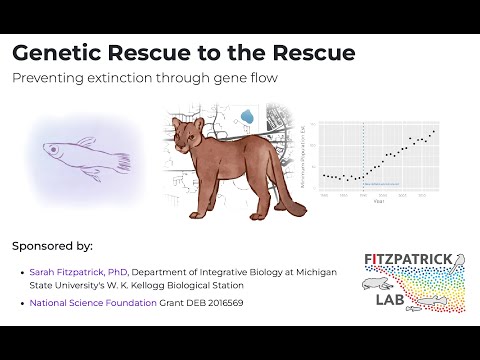
Genetic Rescue to the Rescue: Preventing extinction through gene flow

Students will deepen their understanding of basic genetics concepts as they dive into real data sets from ongoing research. They will hone critical thinking and communication skills and come away with clear examples of how science can lead to positive impacts on wildlife populations.
Alignment summary( Target)
Lesson 4
Students will evaluate the characteristics of a variety of commonly used model organisms and select the ones that best fit for studying the problem in Florida panthers.
Included resources
5 lessons and 5 supporting media items.

Lesson 2
Lesson 4
Supporting videos
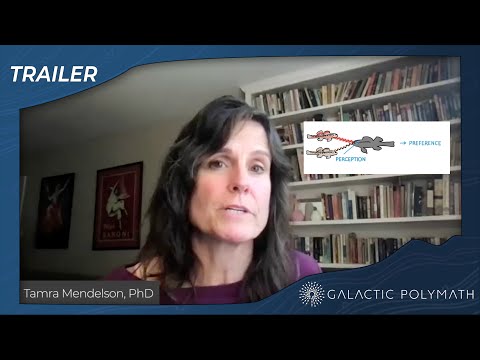
I Like That!: How perception, emotion, and cognition shape our preferences
.png)
Students will conduct experiments and analyze real scientific data as they learn about themselves. They'll learn how our eyes and brains interact to determine what we like and dislike, and apply this knowledge to fish research and the art of character design.
Alignment summary( Target)
Lessons: 1, 2, 3
Throughout all parts of the lesson, students will keep returning to a conceptual framework (concept map) of visual processing in the brain. With each Part, they will gain new insights and understanding about how the eyes (visual sensory systems) interact to affect perception, cognition, and emotion, and how these in turn affect preferences in humans, fish, and other animals.
Included resources
3 lessons and 6 supporting media items.
Lesson 3