MOD-H5 | Science & Engineering Practices
Grades 9-12
Use a model to provide mechanistic accounts of phenomena.
NGSS | Science & Engineering Practices
Find FREE, ready-to-teach lessons, videos, and more for MOD-H5 (Next Generation Science Standards). Built by scientists, teachers & artists.
MOD-H5 | Science & Engineering Practices
Grades 9-12
Use a model to provide mechanistic accounts of phenomena.
Created with purpose: see how resources connect to this standard.
Showing 4 of 4 units
Electric Crystals: Exploring how crystal symmetry can power everyday life

Crystals aren't magic, but they are amazing! In this student-driven, lecture-free lesson, students will do card sorts, build hands-on models, solve engineering design puzzles, and more! The whole experience is connected through a beautifully crafted comic and supporting videos.
Alignment summary( Target)
Lessons: 2, 3
Molecular and geometric models of the unit cells are used to demonstrate the function and structure of the macroscopic crystal. Specifically, molecular models of quartz and table salt demonstrate the effects of (a)symmetry on the electrical properties of the bulk crystal, namely piezoelectricity.
Included resources
4 lessons and 3 supporting media items.
Lesson 1
The Science of Craft: Building New Materials with Old Techniques
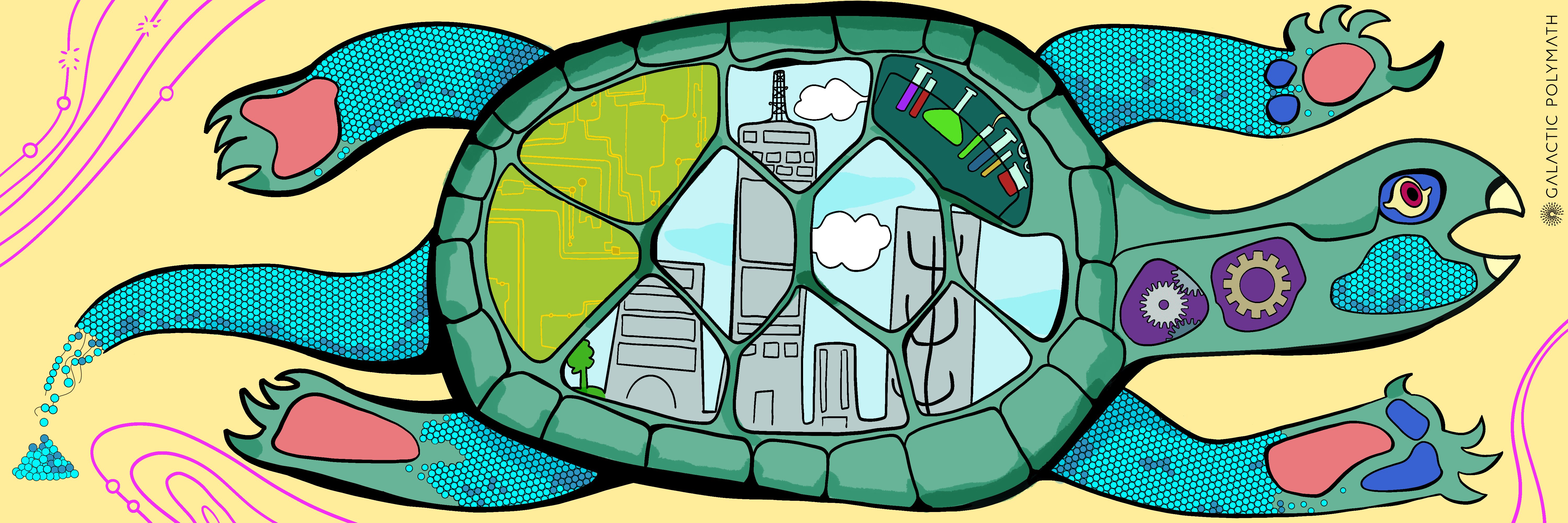
STEM is older and more expansive than you might imagine. Crafted materials, like knit sweaters and woven baskets, were our ancestors’ solutions to everyday problems. In this lesson, we learn the geometry and physics of traditional crafts, and explore how these technologies help us engineer new solutions for the future!
Alignment summary( Target)
Lesson 2
Students construct tiled patterns to model the phenomena that the internal angles of regular polygons must be factors of 360 in order to tile flat, gap-free patterns.
Included resources
3 lessons and 5 supporting media items.


Lesson 2
Supporting videos

Community Immunity: A simulation-based exploration of vaccination choices
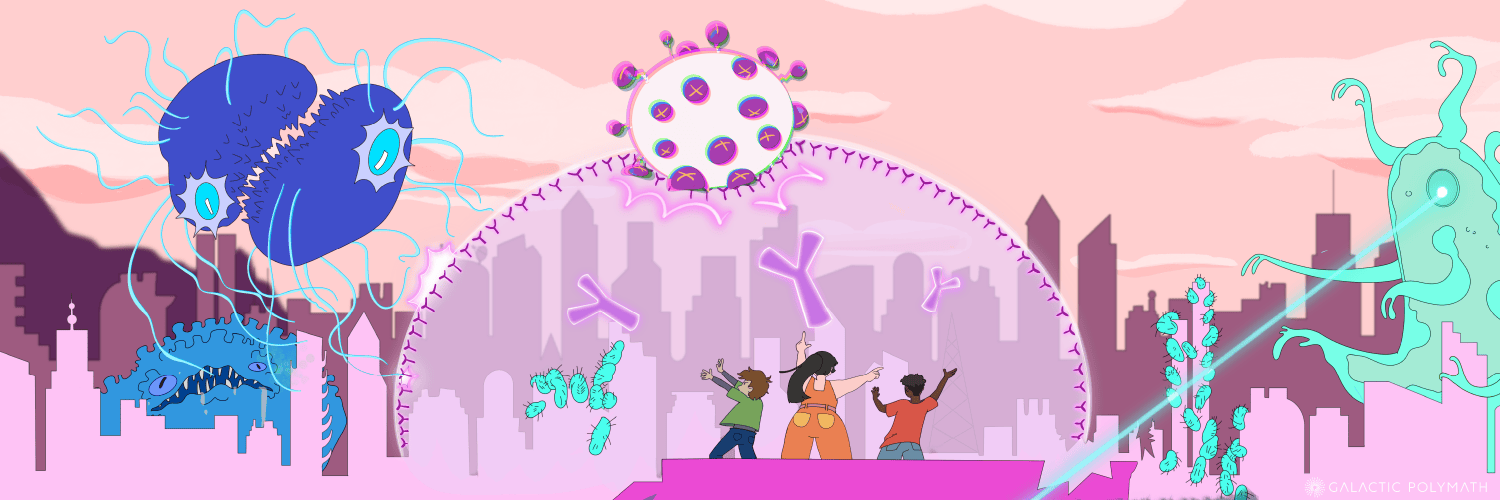
Using simulations and role play, students explore how knowledge, social influences, access, and policy all influence whether individuals vaccinate. They then see how vaccination rates of a community determine whether an outbreak turns into an epidemic or gets stopped in its tracks.
Alignment summary( Connected)
Lesson 1
In Lesson 1, students use the computer simulation model to better understand the uncertain and less predictable factors – vaccination rate and infection rate.
Included resources
2 lessons and 5 supporting media items.
Lesson 2
Supporting videos
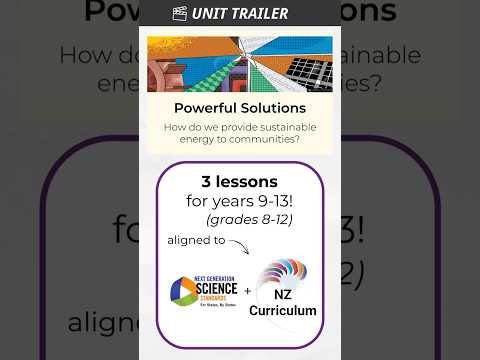
Mā te rauhiringa tātou e ora: Powerful Solutions: How do we provide sustainable energy to communities?

Learn about the energy all around us through a hands-on power generating lab, a web app exploring resilient energy mixes, and stories about Māui’s innovation. In Te Reo Māori, the unit title translates to "It is through positive energy that we thrive." This unit connects to Māori leadership in self-sufficiency and sustainability as inspiration for the future of energy engineering!
Alignment summary( Connected)
Lesson 2
In Lesson 2, students generate power in a hands-on lab. They generate a model to describe the transformation of energy from one form to another throughout the power generation process.
Included resources
3 lessons and 6 supporting media items.

Lesson 1
Lesson 2
Supporting apps and videos