MATH-M4 | Science & Engineering Practices
Grades 6-8
Apply mathematical concepts and/or processes (such as ratio, rate, percent, basic operations, and simple algebra) to scientific and engineering questions and problems.
NGSS | Science & Engineering Practices
Find FREE, ready-to-teach lessons, videos, and more for MATH-M4 (Next Generation Science Standards). Built by scientists, teachers & artists.
MATH-M4 | Science & Engineering Practices
Grades 6-8
Apply mathematical concepts and/or processes (such as ratio, rate, percent, basic operations, and simple algebra) to scientific and engineering questions and problems.
Created with purpose: see how resources connect to this standard.
Showing 4 of 4 units
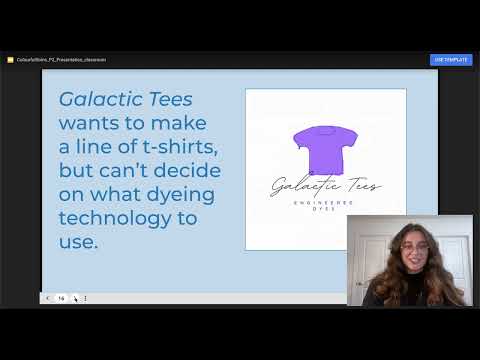
Colourful Solutions: Chemical Engineering Dyes to Brighten Lives

Students will learn to think like chemical engineers as they delve into the dye technologies that allow us to express ourselves through colourful clothing. They will read and discuss complex texts, analyse concept maps and graphs, and develop an appreciation for indigenous (Māori) dye technology.
Alignment summary( Target)
Lesson 2
In Part 2, students will do basic addition and multiplication to calculate starting price of each technology. In Part 3, they will analyze a graph of how unit price changes with how many units are produced in order to decide on which technology is appropriate.
Included resources
3 lessons and 3 supporting media items.

Lesson 1
Supporting videos
Lesson 2
Lesson 3
Supporting videos
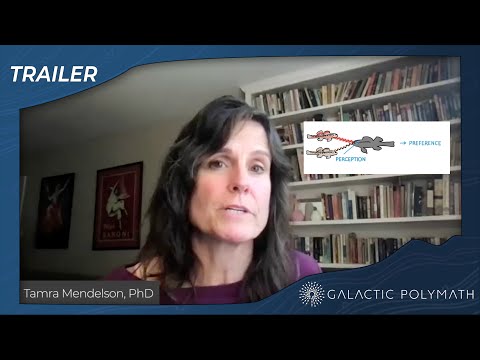
I Like That!: How perception, emotion, and cognition shape our preferences
.png)
Students will conduct experiments and analyze real scientific data as they learn about themselves. They'll learn how our eyes and brains interact to determine what we like and dislike, and apply this knowledge to fish research and the art of character design.
Alignment summary( Target)
Lesson 3
In Part 3, students will create ratios from character sheets to calculate proportions of different character's body proportions (e.g. arm-length / torso-length).
Included resources
3 lessons and 6 supporting media items.
Lesson 3
Future Foods: Can we reduce the carbon footprint of our favorite meals?
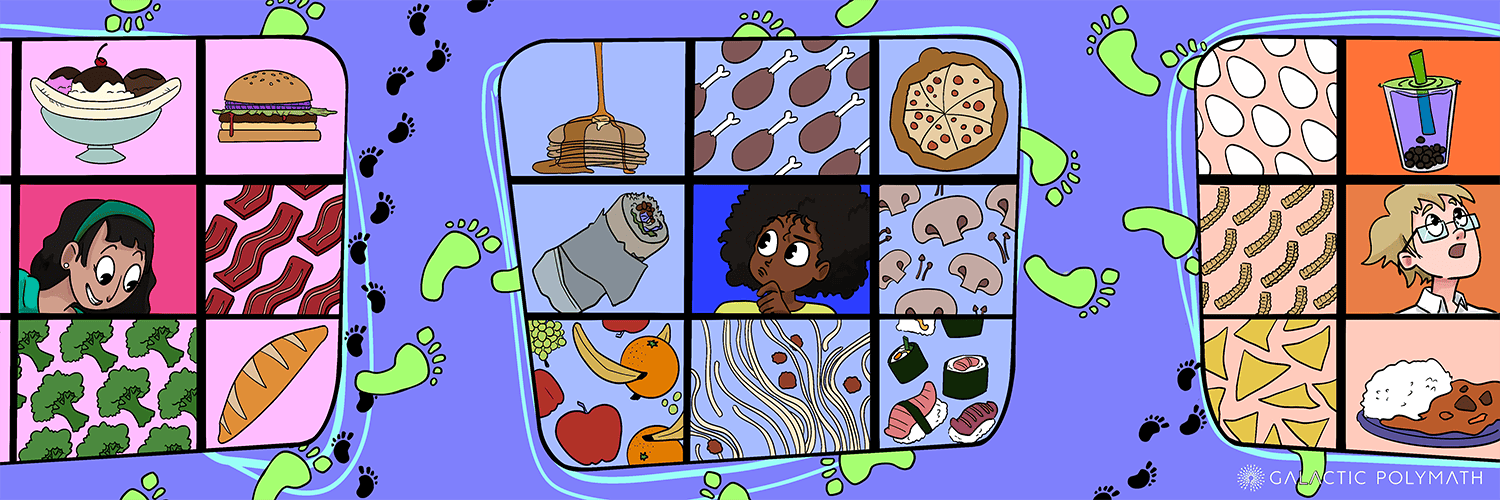
Food and climate are deeply connected. Students will dig into data to discover how our food choices impact greenhouse gas emissions. They will propose solutions to reduce their carbon “foodprint,” both as current consumers and as future food engineers. Students will eat this up in class and savor it for years to come!
Alignment summary( Connected)
Lesson 2
Students will calculate percentages to graph the carbon footprint of their favorite food.
Included resources
4 lessons and 4 supporting media items.


Lesson 4
The Science of Craft: Building New Materials with Old Techniques
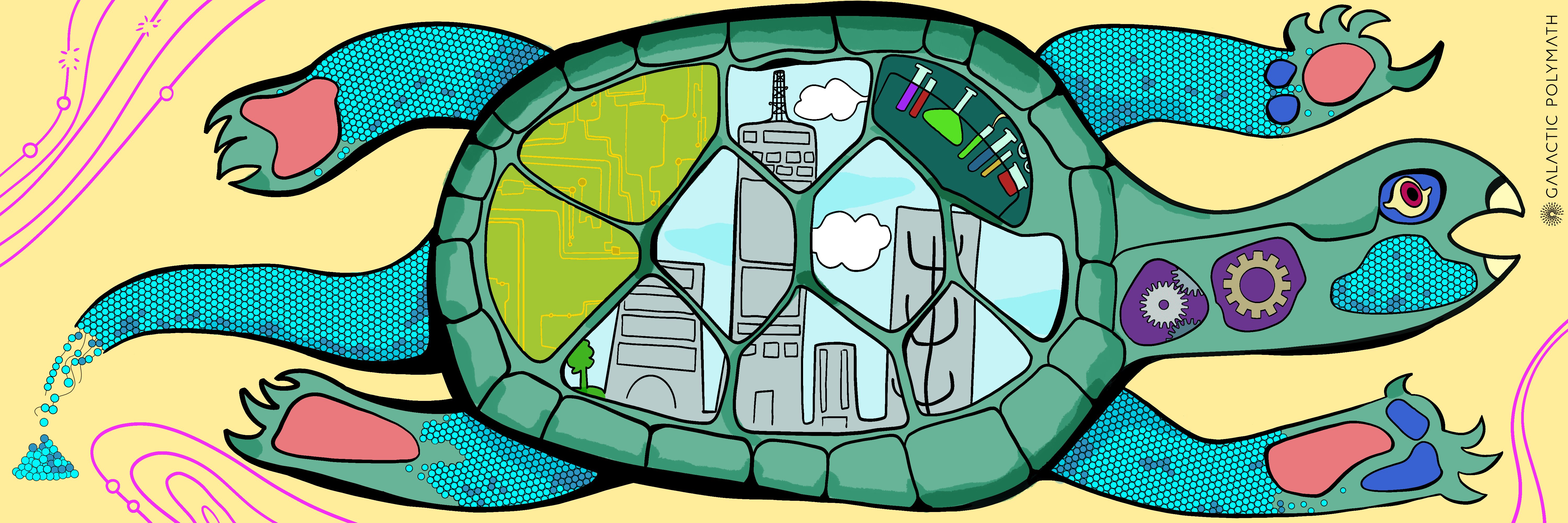
STEM is older and more expansive than you might imagine. Crafted materials, like knit sweaters and woven baskets, were our ancestors’ solutions to everyday problems. In this lesson, we learn the geometry and physics of traditional crafts, and explore how these technologies help us engineer new solutions for the future!
Alignment summary( Connected)
Lesson 3
Students apply geometric understanding to an engineering question and problem.
Included resources
3 lessons and 5 supporting media items.


Lesson 2
Supporting videos
