Find FREE, ready-to-teach lessons, videos, and more for INFO-H1 (Next Generation Science Standards). Built by scientists, teachers & artists.
Standard statement
INFO-H1 | Science & Engineering Practices
Grades 9-12
Critically read scientific literature adapted for classroom use to determine the central ideas or conclusions and/or to obtain scientific and/or technical information to summarize complex evidence, concepts, processes, or information presented in a text by paraphrasing them in simpler but still accurate terms.
Standards-Aligned Resources
Created with purpose: see how resources connect to this standard.
ShowGradeAllAlignmentAll
Showing 3 of 3 units
Unit
Colourful Solutions: Chemical Engineering Dyes to Brighten Lives
Grades
9-13
Students will learn to think like chemical engineers as they delve into the dye technologies that allow us to express ourselves through colourful clothing. They will read and discuss complex texts, analyse concept maps and graphs, and develop an appreciation for indigenous (Māori) dye technology.
Alignment summary( Connected)
Lesson 1
In Part 1, students will work independently and in groups to extract information from complex texts about each technology and complete concept maps of the chemical processes involved.
I Like That!: How perception, emotion, and cognition shape our preferences
Grades
5-9
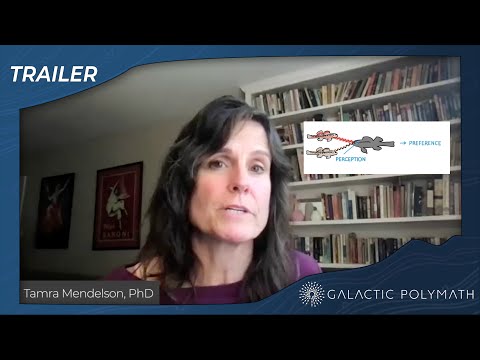
Students will conduct experiments and analyze real scientific data as they learn about themselves. They'll learn how our eyes and brains interact to determine what we like and dislike, and apply this knowledge to fish research and the art of character design.
Alignment summary( Connected)
Extension: See links in the Extensions and Background sections for scientific articles that you can read and analyze with your class after you have taught the lesson.
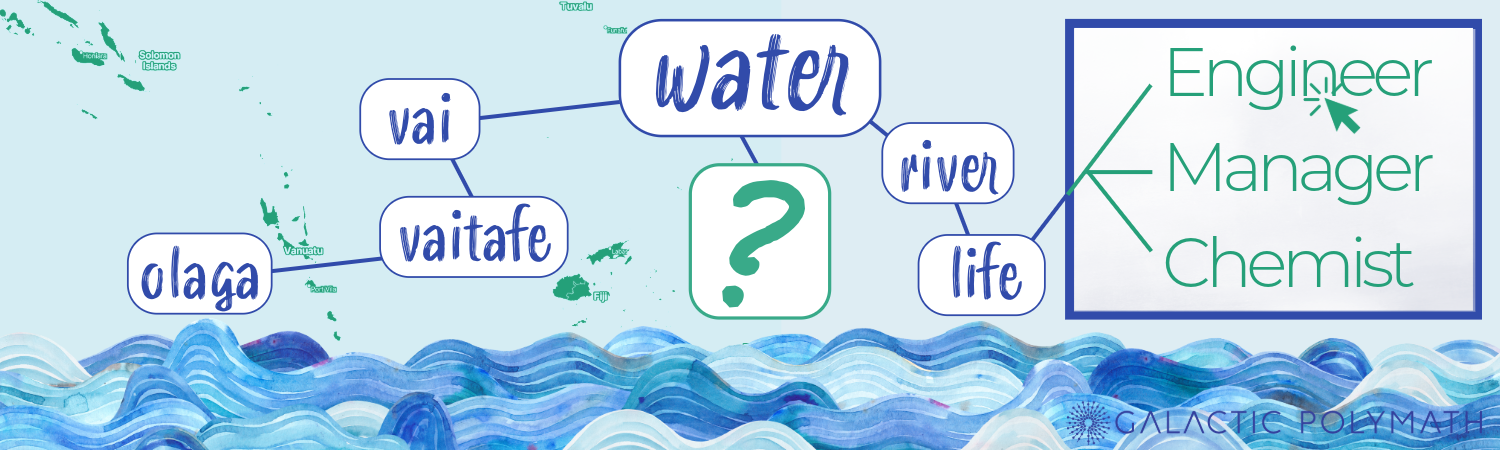
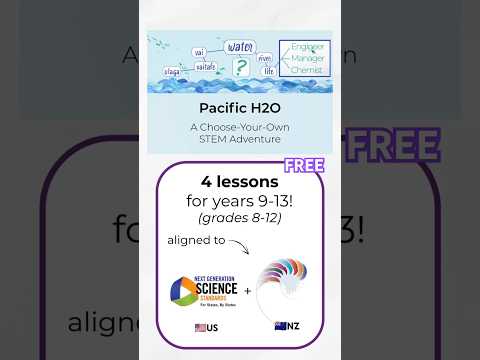
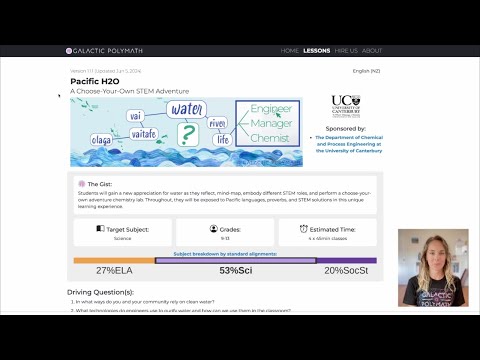
Students will gain a new appreciation for water as they reflect, mind-map, embody different STEM roles, and perform a choose-your-own adventure chemistry lab. Throughout, they will be exposed to Pacific languages, proverbs, and STEM solutions in this unique learning experience.
Alignment summary( Connected)
Lesson 3
In lesson 2, students carefully read scientific information and lab instructions to inform their decisions about water treatment methods. In lesson 3, students must integrate information across lab procedures and journalism to express a solution. In lesson 4, students will form ideas that integrate themes from Samoan proverbs with reflections of their own experiences.


.png)