HS-ETS1-1 | Performance Expectation
Grades 9-12
Analyze a major global challenge to specify qualitative and quantitative criteria and constraints for solutions that account for societal needs and wants.
NGSS | Performance Expectation
Find FREE, ready-to-teach lessons, videos, and more for HS-ETS1-1 (Next Generation Science Standards). Built by scientists, teachers & artists.
HS-ETS1-1 | Performance Expectation
Grades 9-12
Analyze a major global challenge to specify qualitative and quantitative criteria and constraints for solutions that account for societal needs and wants.
Created with purpose: see how resources connect to this standard.
Showing 2 of 2 units
Mā te rauhiringa tātou e ora: Powerful Solutions: How do we provide sustainable energy to communities?

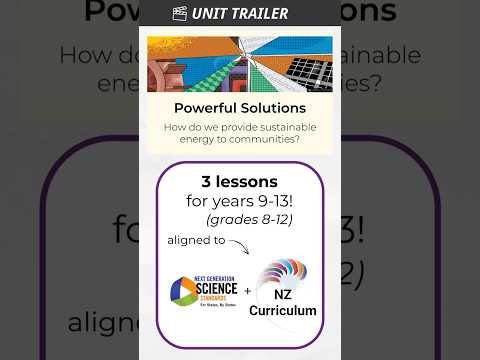
Learn about the energy all around us through a hands-on power generating lab, a web app exploring resilient energy mixes, and stories about Māui’s innovation. In Te Reo Māori, the unit title translates to "It is through positive energy that we thrive." This unit connects to Māori leadership in self-sufficiency and sustainability as inspiration for the future of energy engineering!
Alignment summary( Target)
Lesson 2
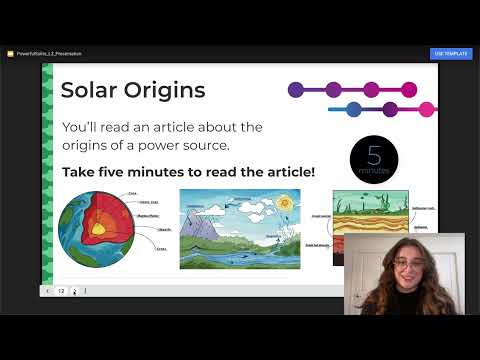
In Lesson 2, students use a simulation that models power generation and consumption in a small community. By prioritizing efficiency, stability, cost, community values, or environmental impact students interact with the simulation to explore resource management.
Included resources
3 lessons and 6 supporting media items.

Lesson 1

Lesson 2
Supporting apps and videos

Pacific H2O: A Choose-Your-Own STEM Adventure
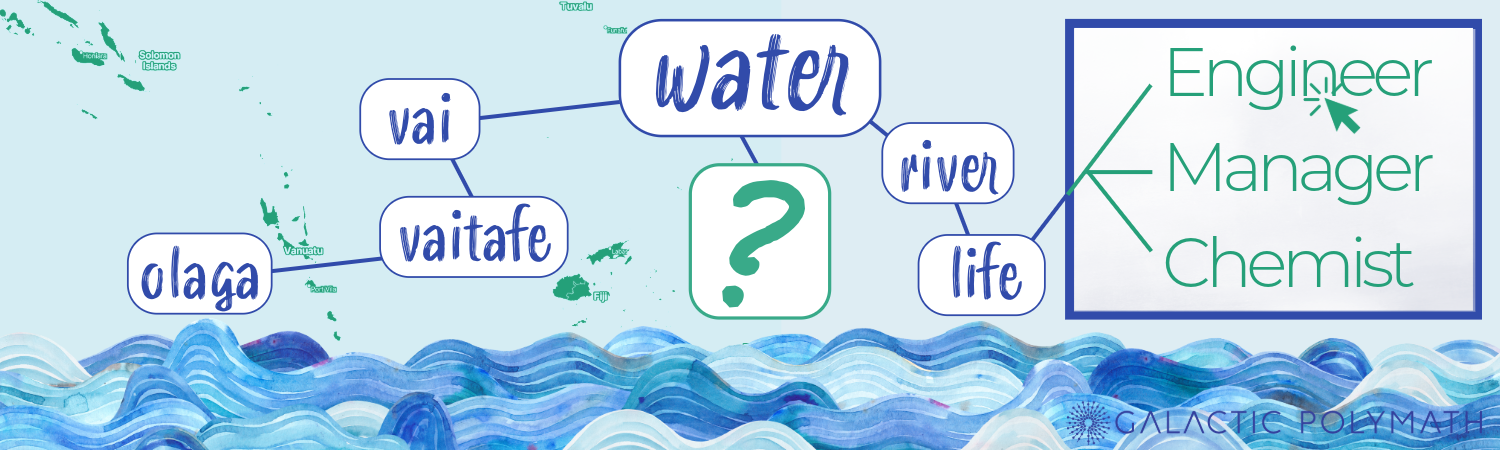
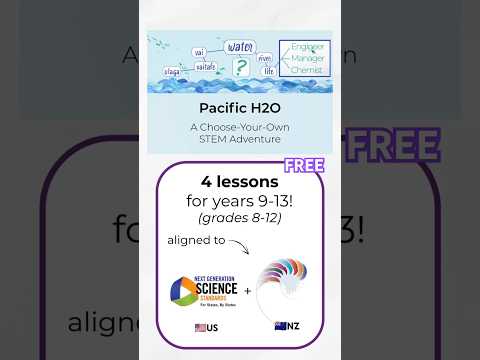
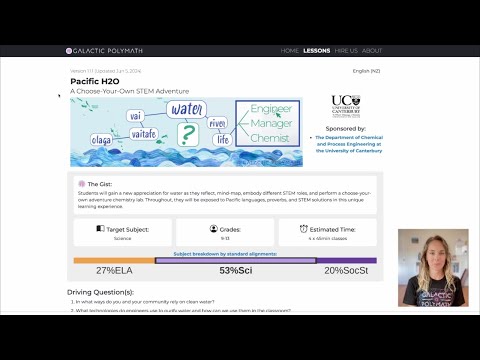
Students will gain a new appreciation for water as they reflect, mind-map, embody different STEM roles, and perform a choose-your-own adventure chemistry lab. Throughout, they will be exposed to Pacific languages, proverbs, and STEM solutions in this unique learning experience.
Alignment summary( Target)
Throughout all lessons, students investigate the importance of clean water, through their personal lens and through multiple Pacific island perspectives. In lessons 2 and 3, students work in teams to make decisions about clean water solutions, accounting for the needs and values of a community, as well as the costs and environmental impact of proposed solutions.
Included resources
4 lessons and 4 supporting media items.

Lesson 1
Lesson 2
Supporting apps and videos


Lesson 4