HS-ESS3-2 | Performance Expectation
Grades 9-12
Evaluate competing design solutions for developing, managing, and utilizing energy and mineral resources based on cost-benefit ratios.
NGSS | Performance Expectation
Find FREE, ready-to-teach lessons, videos, and more for HS-ESS3-2 (Next Generation Science Standards). Built by scientists, teachers & artists.
HS-ESS3-2 | Performance Expectation
Grades 9-12
Evaluate competing design solutions for developing, managing, and utilizing energy and mineral resources based on cost-benefit ratios.
Created with purpose: see how resources connect to this standard.
Showing 2 of 2 units
Mā te rauhiringa tātou e ora: Powerful Solutions: How do we provide sustainable energy to communities?

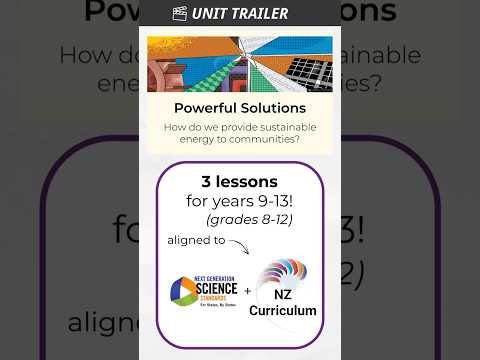
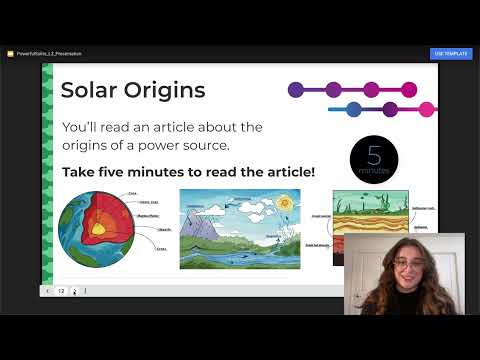
Learn about the energy all around us through a hands-on power generating lab, a web app exploring resilient energy mixes, and stories about Māui’s innovation. In Te Reo Māori, the unit title translates to "It is through positive energy that we thrive." This unit connects to Māori leadership in self-sufficiency and sustainability as inspiration for the future of energy engineering!
Alignment summary( Target)
Lesson 2
In Lesson 2, students use a simulation that models power generation and consumption in a small community. Students can compare various energy mixes with respective economic or environemental benefits.
Included resources
3 lessons and 6 supporting media items.

Lesson 1

Lesson 2
Supporting apps and videos

Pacific H2O: A Choose-Your-Own STEM Adventure
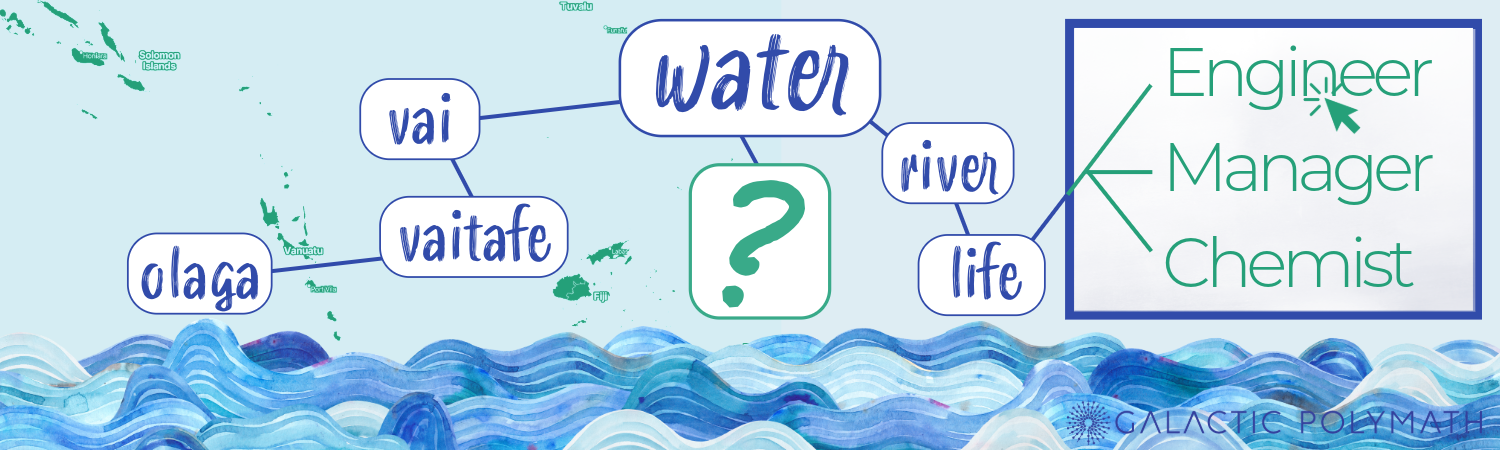
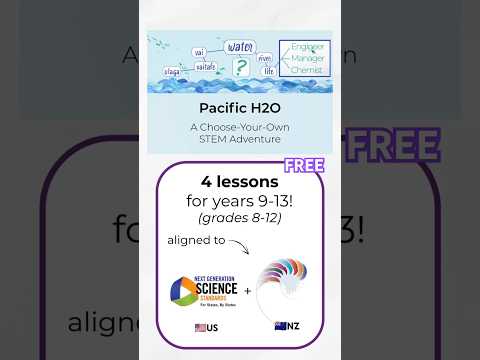
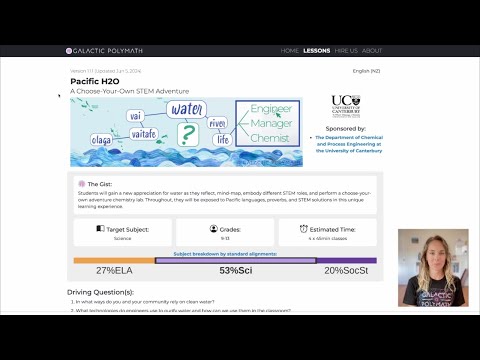
Students will gain a new appreciation for water as they reflect, mind-map, embody different STEM roles, and perform a choose-your-own adventure chemistry lab. Throughout, they will be exposed to Pacific languages, proverbs, and STEM solutions in this unique learning experience.
Alignment summary( Target)
Lesson 2
In lesson 2, students gather scientific information about the quality of their water sample in a lab-based environment. Students take action by determining a water treatment solution but must consider socio-scientific issues such as monetary cost and environmental impact. Additionally, students grapple with how to allocate resources to benefit the community.
Included resources
4 lessons and 4 supporting media items.

Lesson 1
Lesson 2
Supporting apps and videos


Lesson 4