ESS3.C-M2 | Disciplinary Core ideas
Typically as human populations and per capita consumption of natural resources increase, so do the negative impacts on Earth unless the activities and technologies involved are engineered otherwise.
NGSS Disciplinary Core ideas
Find free, ready-to-teach resources aligned to ESS3.C-M2. Designed with teachers and artists, in partnership with STEM researchers.
ESS3.C-M2 | Disciplinary Core ideas
Typically as human populations and per capita consumption of natural resources increase, so do the negative impacts on Earth unless the activities and technologies involved are engineered otherwise.
Created with purpose: see how resources connect to this standard.
Showing 2 of 2 units
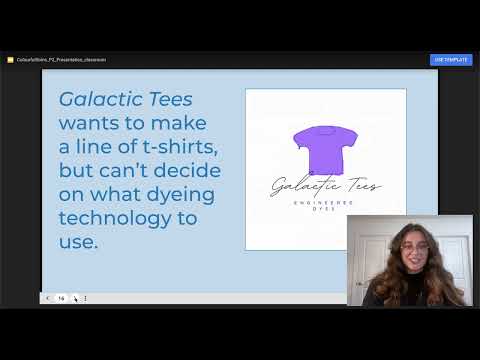
Colourful Solutions: Chemical Engineering Dyes to Brighten Lives

Students will learn to think like chemical engineers as they delve into the dye technologies that allow us to express ourselves through colourful clothing. They will read and discuss complex texts, analyse concept maps and graphs, and develop an appreciation for indigenous (Māori) dye technology.
Alignment summary( Target)
Lesson 3
In Part 3, students will explore sustainability issues associated with fossil-fuel and marine snail-derived dye technologies.
Included resources
3 lessons and 3 supporting media items.

Lesson 1
Supporting videos
Lesson 2
Lesson 3
Supporting videos
Future Foods: Can we reduce the carbon footprint of our favorite meals?
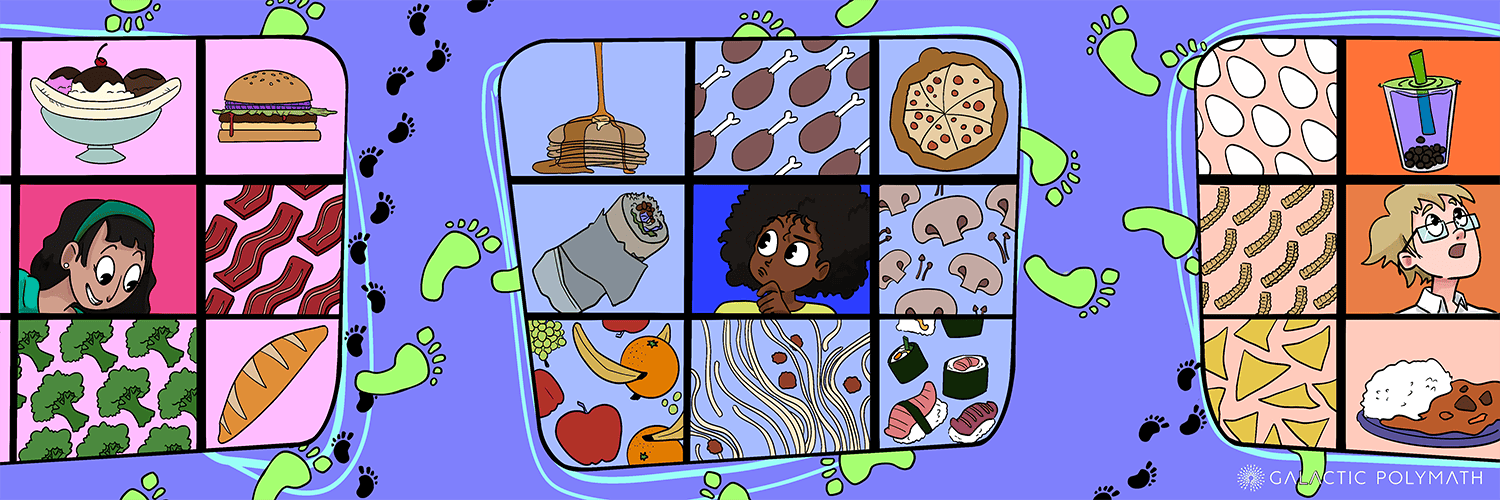
Food and climate are deeply connected. Students will dig into data to discover how our food choices impact greenhouse gas emissions. They will propose solutions to reduce their carbon “foodprint,” both as current consumers and as future food engineers. Students will eat this up in class and savor it for years to come!
Alignment summary( Connected)
Lessons: 1, 2, 3, 4
Students will develop a plan for now and a plan for the future to help minimize the impact of our food supply on climate change and Earth's resources.
Included resources
4 lessons and 4 supporting media items.


Lesson 4