DATA-H1 | Science & Engineering Practices
Grades 9-12
Analyze data using tools, technologies, and/or models (e.g., computational, mathematical) in order to make valid and reliable scientific claims or determine an optimal design solution.
NGSS | Science & Engineering Practices
Find FREE, ready-to-teach lessons, videos, and more for DATA-H1 (Next Generation Science Standards). Built by scientists, teachers & artists.
DATA-H1 | Science & Engineering Practices
Grades 9-12
Analyze data using tools, technologies, and/or models (e.g., computational, mathematical) in order to make valid and reliable scientific claims or determine an optimal design solution.
Created with purpose: see how resources connect to this standard.
Showing 3 of 3 units
Balancing Act: Tradeoffs in frogs, humans, and other animals
.png)
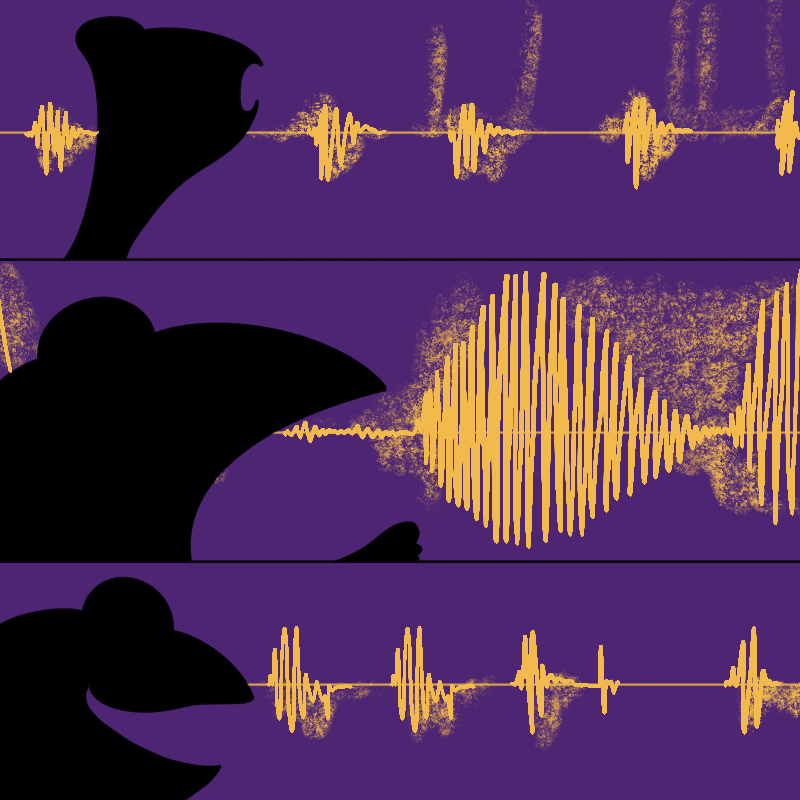
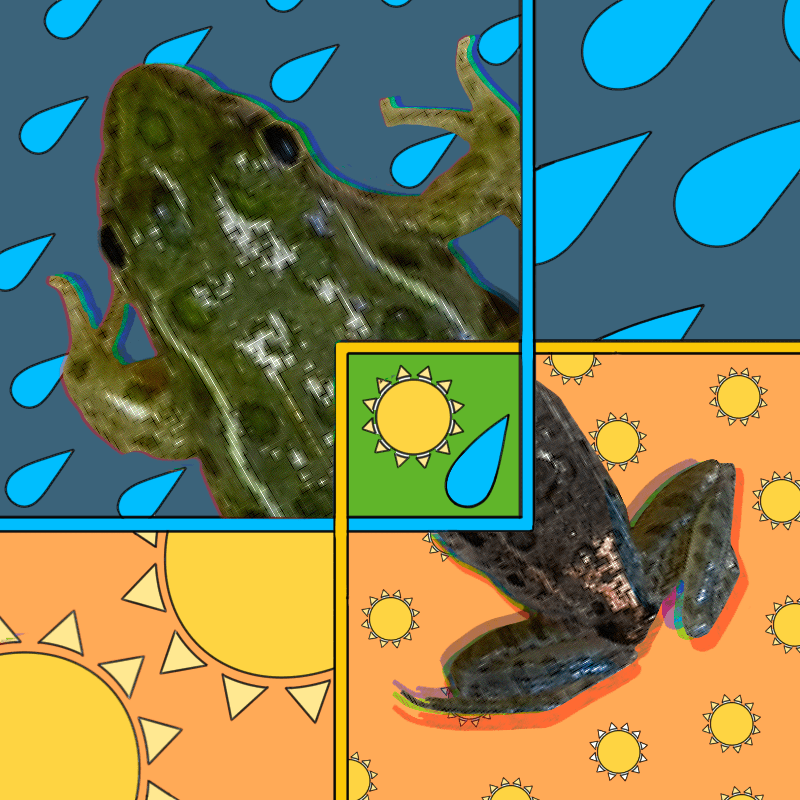
Students will follow in the soggy footsteps of scientists wading through ponds at night to record frogs as they learn about biological tradeoffs that connect humans to horses to frogs. Along the way, they'll decide which male a female frog should choose as a mate, based on analysis of call performance.
Alignment summary( Target)
Lessons: 1, 3
In Lesson 1, students create graphs to show trade-offs using data from different scenarios. This helps them analyze the outcomes of their decisions and draw valid conclusions about the trade-offs they encounter, supporting the standard's focus on data analysis. In Lesson 3, students analyze a static spectrogram to identify patterns.
Included resources
3 lessons and 6 supporting media items.
.png)
.png)
Lesson 2
Supporting videos
Additional Resources
Supporting videos
Additional Resources
Supporting videos
Data Streams: A crash course in data literacy using stream ecology
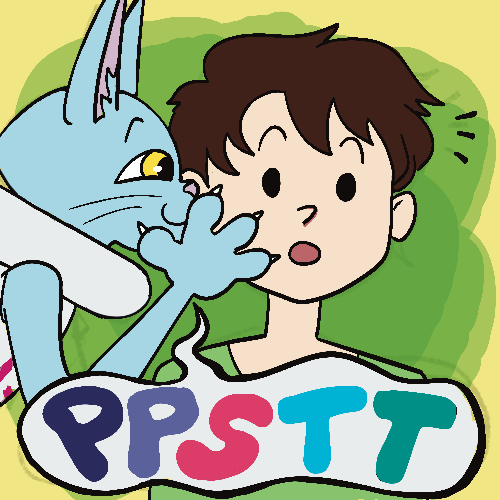
Level-up data literacy skills by practicing the "PPSTT" Framework for unlocking any graph's secrets. Students watch scientists model this approach & then try it on their own using multiple data types, including: the frequency of certain words in books, streamflow rates, and maps.
Alignment summary( Target)
Lessons: 1, 2
Graphs and tables provide specific evidence for students to cite to support claims and conclusions.
Included resources
3 lessons and 4 supporting media items.

Lesson 2
Supporting videos
Mā te rauhiringa tātou e ora: Powerful Solutions: How do we provide sustainable energy to communities?

Learn about the energy all around us through a hands-on power generating lab, a web app exploring resilient energy mixes, and stories about Māui’s innovation. In Te Reo Māori, the unit title translates to "It is through positive energy that we thrive." This unit connects to Māori leadership in self-sufficiency and sustainability as inspiration for the future of energy engineering!
Alignment summary( Connected)
Lesson 2
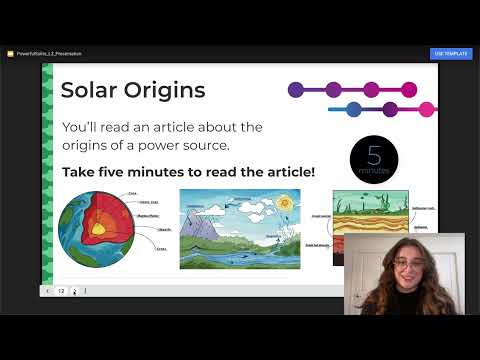
In Lesson 2, students use the data they collect to compute secondary and tertiary quantities. They perform an error analysis bsaed on their findings, and propose changes to improve the power plant model or design of the experiment.
Included resources
3 lessons and 6 supporting media items.

Lesson 1
Lesson 2
Supporting apps and videos