CEDS-M4 | Science & Engineering Practices
Grades 6-8
Apply scientific ideas, principles, and/or evidence to construct, revise and/or use an explanation for real-world phenomena, examples, or events.
NGSS | Science & Engineering Practices
Find FREE, ready-to-teach lessons, videos, and more for CEDS-M4 (Next Generation Science Standards). Built by scientists, teachers & artists.
CEDS-M4 | Science & Engineering Practices
Grades 6-8
Apply scientific ideas, principles, and/or evidence to construct, revise and/or use an explanation for real-world phenomena, examples, or events.
Created with purpose: see how resources connect to this standard.
Showing 5 of 5 units
Guardian Frogs of Borneo: Why Exceptions Matter in Biology and Everyday Life
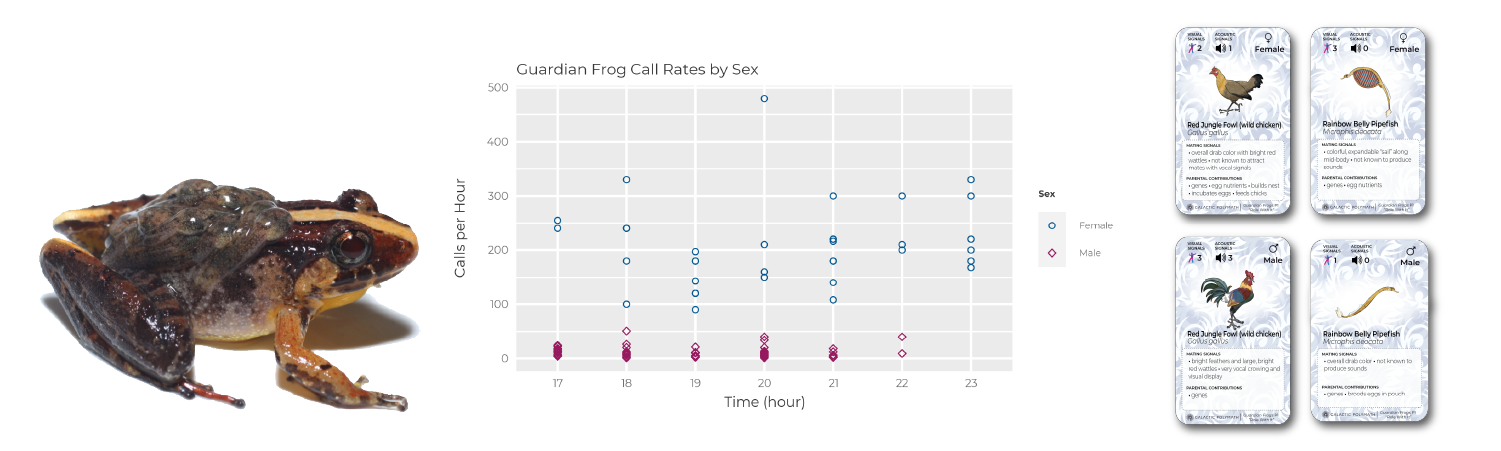
Out of 8,000+ frog species, Guardian Frogs are one of the first to show females that call & males that care for offspring. Students will gain wonder and appreciation for how diverse animal mating systems are while doing fun activities and analyzing real data.
Alignment summary( Target)
Students will integrate data visualization of real biological data and scientific text, using scientific ideas and principles to investigate an real example of exceptions to the rule in nature, with evidence for sex role reversal in Guardian Frogs.
Included resources
3 lessons and 3 supporting media items.
Heard That Bird: A Pop Culture Intro to Birding by Ear
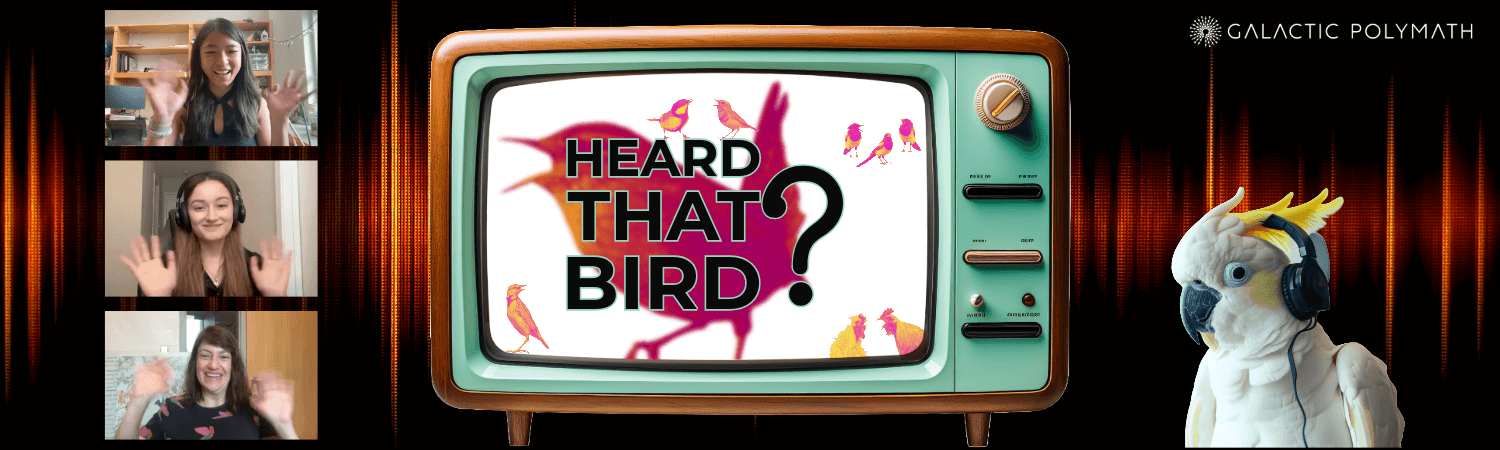
Students play an interactive gameshow alongside researchers to ID birds singing in video clips. They will learn how to use sound visualizations (spectrograms) and leave class excited to use the free Merlin app to ID birds in their neighborhood.
Alignment summary( Target)
Lesson 1
Students use spectrograms and mnemonics as models to identify bird species in video clips. In discussions they will construct arguments for which bird is found in each clip.
Included resources
1 lesson and 2 supporting media items.
I Like That!: How perception, emotion, and cognition shape our preferences
.png)
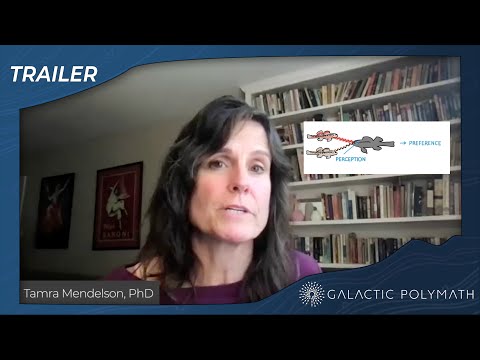
Students will conduct experiments and analyze real scientific data as they learn about themselves. They'll learn how our eyes and brains interact to determine what we like and dislike, and apply this knowledge to fish research and the art of character design.
Alignment summary( Target)
Lessons: 1, 2, 3
Throughout the lesson, students follow the scientific method to deepen their understanding of how perception, cognition, and emotion affect our preferences and decision making.
Included resources
3 lessons and 6 supporting media items.

Lesson 3
SciJourneys: Building Resilience in Science
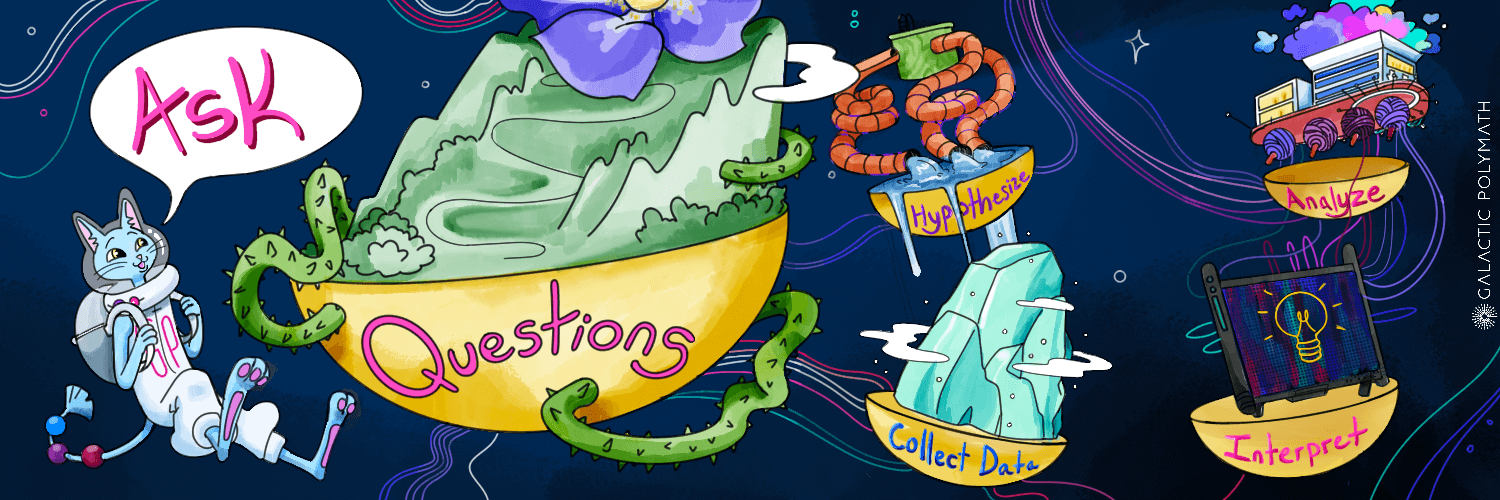
Help students sharpen their skills of inquiry and critical thinking and see that science is all around them! This student-centered, active learning unit helps students build resilience and growth mindsets as they approach scientific methods. Features 3 early career women in STEM!
Alignment summary( Connected)
Lesson 2
Students use scientific principles to create and revise hypotheses, making sure they are specific, testable, and data-driven.
Included resources
3 lessons and 8 supporting media items.



Lesson 3
Supporting videos
What Do Birds Do in Winter?: A data-driven investigation of remarkable adaptations
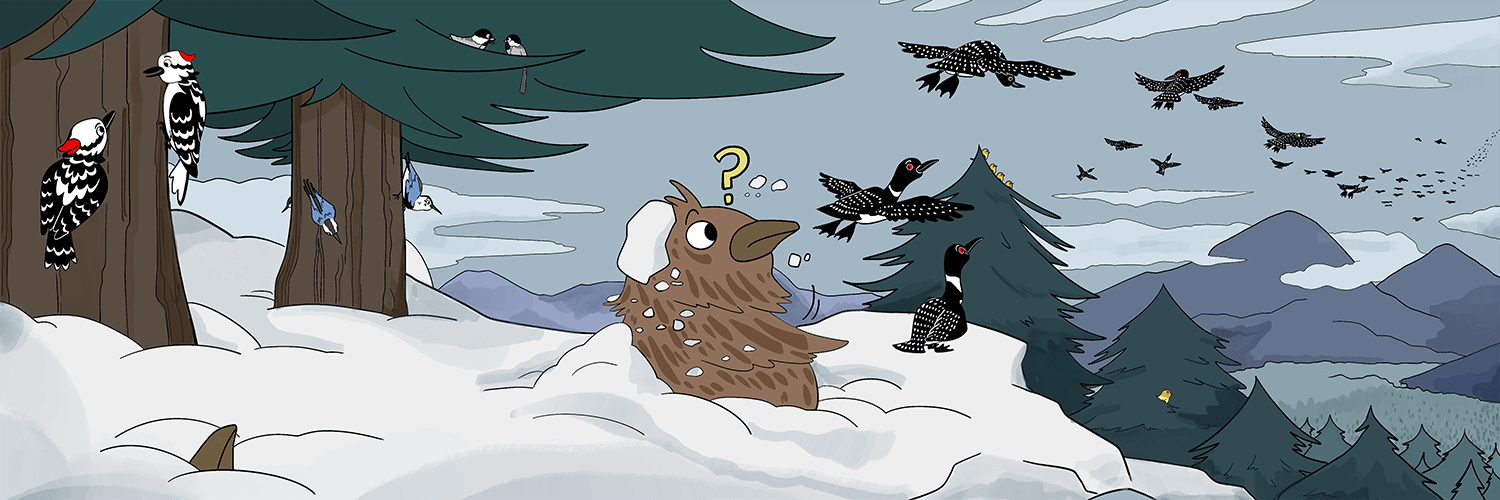
Explore the secret lives of nonmigratory winter birds! Use data, games, and simulations to uncover their unique adaptations for surviving the cold and reveal the 'feathered flurries of activity' in the dead of winter.
Alignment summary( Connected)
Lesson 3
Students will apply concepts of adaptations and feeding patterns of birds in winter from L1 and L2 to develop explanations for new data sets.
Included resources
3 lessons and 3 supporting media items.


.png)
