NGSS Science & Engineering Practices

CEDS-H5 Science & Engineering Practices resources

Find free, ready-to-teach resources aligned to CEDS-H5. Designed with teachers and artists, in partnership with STEM researchers.

Standard statement

CEDS-H5 | Science & Engineering Practices

Design, evaluate, and/or refine a solution to a complex real-world problem, based on scientific knowledge, student-generated sources of evidence, prioritized criteria, and tradeoff considerations.


Standards-Aligned Resources

Created with purpose: see how resources connect to this standard.

Show
GradeAll
AlignmentAll

Showing 3 of 3 units

Unit

Colourful Solutions: Chemical Engineering Dyes to Brighten Lives

Grades

9, 10, 11, 12

Colourful Solutions unit banner

Students will learn to think like chemical engineers as they delve into the dye technologies that allow us to express ourselves through colourful clothing. They will read and discuss complex texts, analyse concept maps and graphs, and develop an appreciation for indigenous (Māori) dye technology.

Alignment summary( Target)

Lesson 3

In Part 3, students will integrate multiple lines of evidence to consider the implications for society, sustainability, and consumer benefits to make a recommendation of a particular dye technology that achieves their desired balance of priorities.

Included resources

3 lessons and 3 supporting media items.

Show resource details4 items
Open unit

Unit

Mā te rauhiringa tātou e ora: Powerful Solutions: How do we provide sustainable energy to communities?

Grades

9, 10, 11, 12

Mā te rauhiringa tātou e ora: Powerful Solutions unit banner

Learn about the energy all around us through a hands-on power generating lab, a web app exploring resilient energy mixes, and stories about Māui’s innovation. In Te Reo Māori, the unit title translates to "It is through positive energy that we thrive." This unit connects to Māori leadership in self-sufficiency and sustainability as inspiration for the future of energy engineering!

Alignment summary( Target)

Lesson 2

In Lesson 2, students use a simulation that models power generation and consumption in a small community. As a class they discuss the priorities, tradeoffs, and impacts of proposed solutions, drawing on their experience generating power during the hands-on lab, and their interactions with the simulation.

Included resources

3 lessons and 6 supporting media items.

Show resource details5 items

Additional Resources

Supporting videos

Open unit

Unit

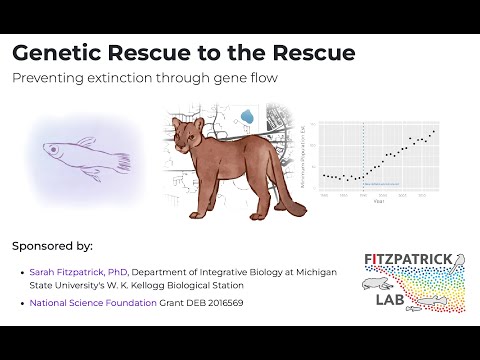
Genetic Rescue to the Rescue: Preventing extinction through gene flow

Grades

9, 10, 11, 12

Genetic Rescue to the Rescue unit banner

Students will deepen their understanding of basic genetics concepts as they dive into real data sets from ongoing research. They will hone critical thinking and communication skills and come away with clear examples of how science can lead to positive impacts on wildlife populations.

Alignment summary( Connected)

Lesson 3

Students take part in a role-playing activity where they consider three options for how to address the issues with Florida Panthers and discuss the pros and cons of each.

Open unit

Keep exploring

Get Support

Let us know how we can help.