AQDP-M5 | Science & Engineering Practices
Grades 6-8
Ask questions that require sufficient and appropriate empirical evidence to answer.
NGSS | Science & Engineering Practices
Find FREE, ready-to-teach lessons, videos, and more for AQDP-M5 (Next Generation Science Standards). Built by scientists, teachers & artists.
AQDP-M5 | Science & Engineering Practices
Grades 6-8
Ask questions that require sufficient and appropriate empirical evidence to answer.
Created with purpose: see how resources connect to this standard.
Showing 3 of 3 units
Fairywrens and the Art of Inquiry: How do scientists pick a question to study?
.png)
Spark your scientific thinking by observing cute Australian bird behavior! Fun, interactive videos feature real biologists and student inquiry & observation. Analyze the scientists' real data to get a window into ongoing research on the evolution of group size in fairywrens.
Alignment summary( Connected)
Lessons: 1, 2
Students will hone the skill of asking questions by learning stratgies to refine and revise.
Included resources
2 lessons and 3 supporting media items.
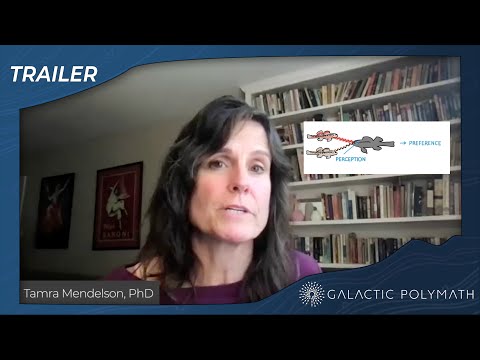
I Like That!: How perception, emotion, and cognition shape our preferences
.png)
Students will conduct experiments and analyze real scientific data as they learn about themselves. They'll learn how our eyes and brains interact to determine what we like and dislike, and apply this knowledge to fish research and the art of character design.
Alignment summary( Connected)
Lessons: 1, 2, 3
In all 3 parts, students will ask questions, make hypotheses and/or predictions, and test the predictions with real data.
Included resources
3 lessons and 6 supporting media items.

Lesson 3
SciJourneys: Building Resilience in Science
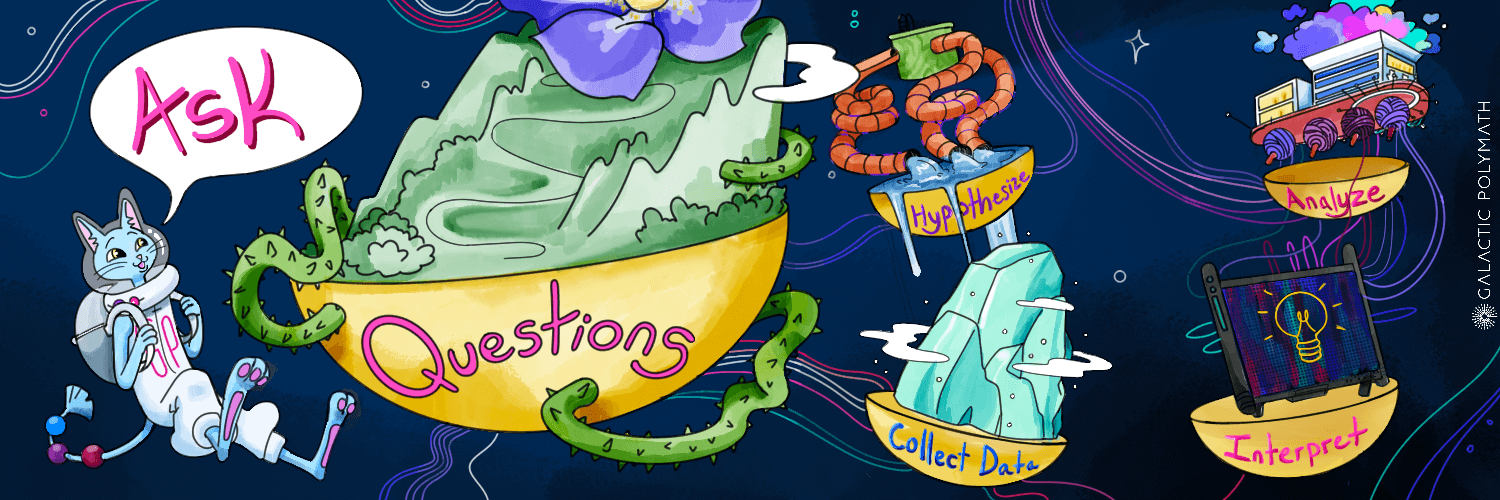
Help students sharpen their skills of inquiry and critical thinking and see that science is all around them! This student-centered, active learning unit helps students build resilience and growth mindsets as they approach scientific methods. Features 3 early career women in STEM!
Alignment summary( Connected)
Lessons: 1, 2, 3
In Lesson 1, students work in groups to brainstorm higher-level scientific questions about an image, ensuring the questions are evidence-based; in Lesson 2, they identify the empirical evidence needed to test hypotheses during a discussion activity; and in Lesson 3, they reflect on their questions and consider the empirical evidence required to answer them.
Included resources
3 lessons and 8 supporting media items.


Lesson 3
Supporting videos

