AQDP-H9 | Science & Engineering Practices
Grades 9-12
Analyze complex real-world problems by specifying criteria and constraints for successful solutions.
NGSS | Science & Engineering Practices
Find FREE, ready-to-teach lessons, videos, and more for AQDP-H9 (Next Generation Science Standards). Built by scientists, teachers & artists.
AQDP-H9 | Science & Engineering Practices
Grades 9-12
Analyze complex real-world problems by specifying criteria and constraints for successful solutions.
Created with purpose: see how resources connect to this standard.
Showing 3 of 3 units
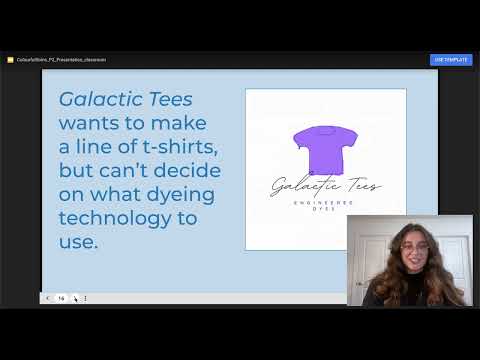
Colourful Solutions: Chemical Engineering Dyes to Brighten Lives

Students will learn to think like chemical engineers as they delve into the dye technologies that allow us to express ourselves through colourful clothing. They will read and discuss complex texts, analyse concept maps and graphs, and develop an appreciation for indigenous (Māori) dye technology.
Alignment summary( Connected)
Lesson 3
In Part 3, students will integrate multiple lines of evidence to consider the implications for society, sustainability, and consumer benefits of choosing a particular technology to dye products.
Included resources
3 lessons and 3 supporting media items.

Lesson 1
Supporting videos
Lesson 2
Lesson 3
Supporting videos
Mā te rauhiringa tātou e ora: Powerful Solutions: How do we provide sustainable energy to communities?

Learn about the energy all around us through a hands-on power generating lab, a web app exploring resilient energy mixes, and stories about Māui’s innovation. In Te Reo Māori, the unit title translates to "It is through positive energy that we thrive." This unit connects to Māori leadership in self-sufficiency and sustainability as inspiration for the future of energy engineering!
Alignment summary( Connected)
Lesson 2
In Lesson 2, students use a simulation that models power generation and consumption in a small community. Students work within economic, logistical, and environmental constraints to propose a viable energy generation mix.
Included resources
3 lessons and 6 supporting media items.

Lesson 1
Lesson 2
Supporting apps and videos

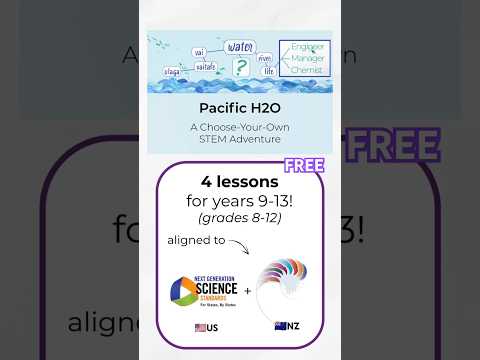
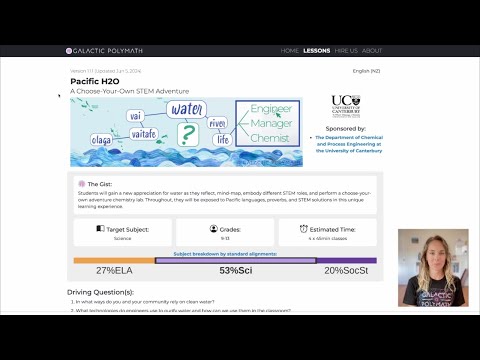
Pacific H2O: A Choose-Your-Own STEM Adventure
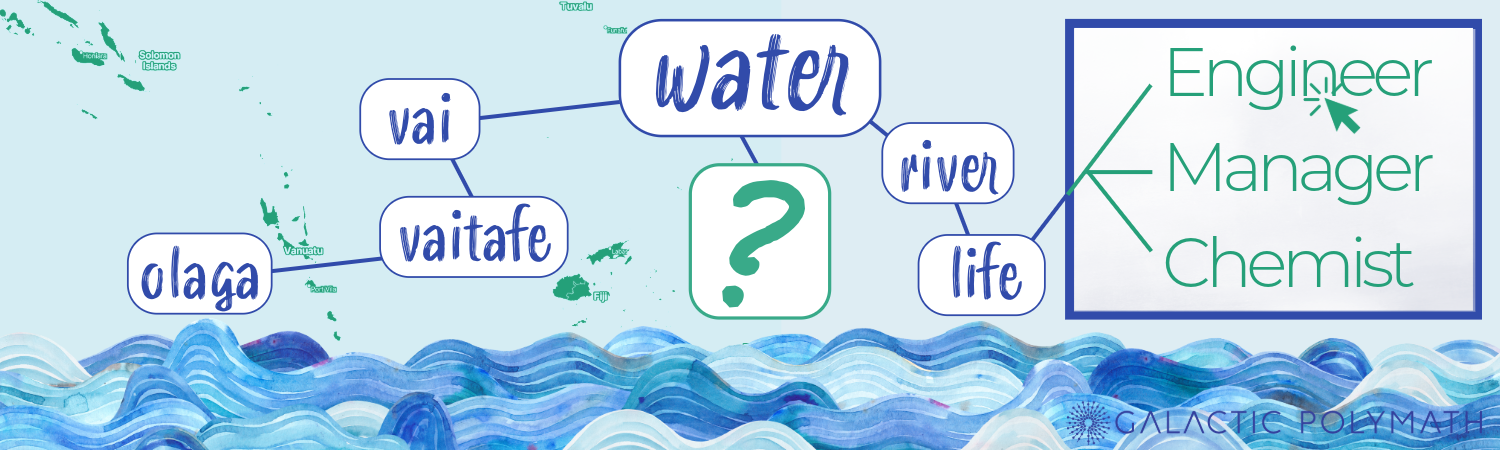
Students will gain a new appreciation for water as they reflect, mind-map, embody different STEM roles, and perform a choose-your-own adventure chemistry lab. Throughout, they will be exposed to Pacific languages, proverbs, and STEM solutions in this unique learning experience.
Alignment summary( Connected)
Lessons: 2, 3
In lessons 2 and 3, students work in teams to make decisions about clean water solutions, accounting for the needs and values of a community, as well as the costs and environmental impact of proposed solutions.
Included resources
4 lessons and 4 supporting media items.

Lesson 1
Lesson 2
Supporting apps and videos


Lesson 4