Find FREE, ready-to-teach lessons, videos, and more for AQDP-H8 (Next Generation Science Standards). Built by scientists, teachers & artists.
Standard statement
AQDP-H8 | Science & Engineering Practices
Grades 9-12
Define a design problem that involves the development of a process or system with interacting components and criteria and constraints that may include social, technical and/or environmental considerations.
Standards-Aligned Resources
Created with purpose: see how resources connect to this standard.
ShowGradeAllAlignmentAll
Showing 2 of 2 units
Unit
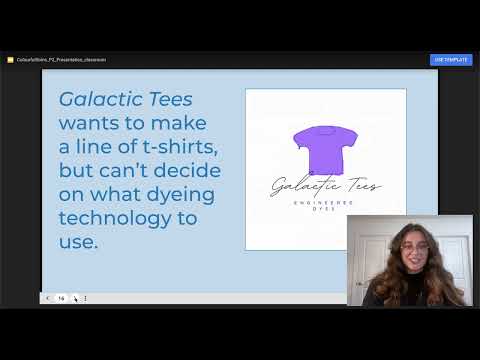
Colourful Solutions: Chemical Engineering Dyes to Brighten Lives
Grades
9-13
Students will learn to think like chemical engineers as they delve into the dye technologies that allow us to express ourselves through colourful clothing. They will read and discuss complex texts, analyse concept maps and graphs, and develop an appreciation for indigenous (Māori) dye technology.
Alignment summary( Connected)
Lesson 3
In Part 3, students will integrate multiple lines of evidence to consider the implications for society, sustainability, and consumer benefits of choosing a particular technology to dye products.
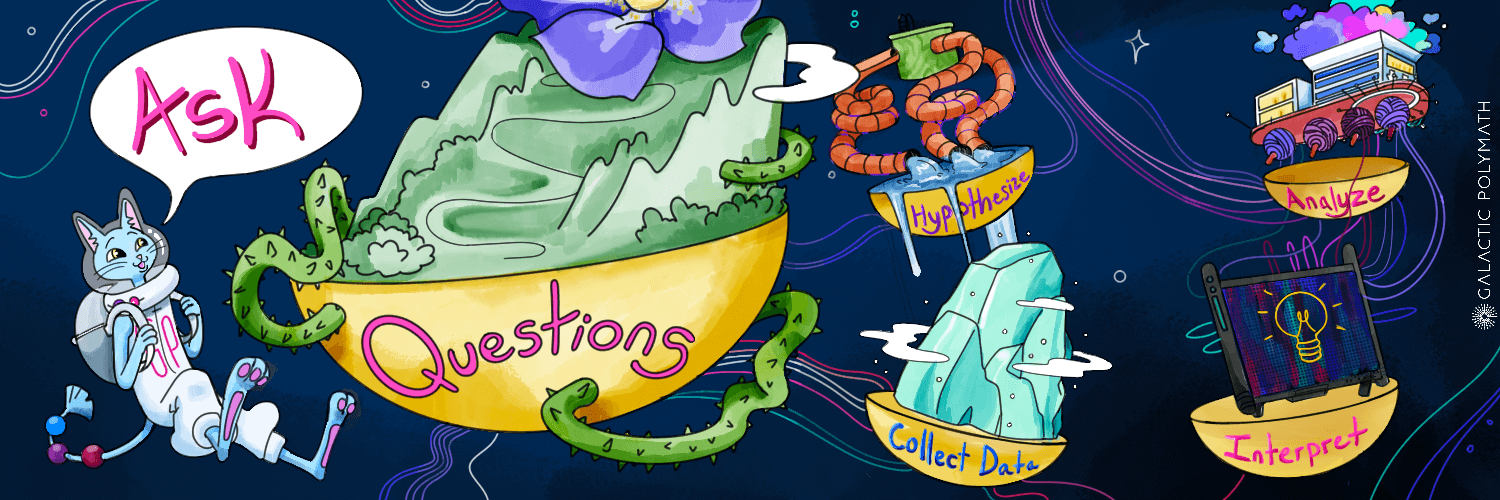
Help students sharpen their skills of inquiry and critical thinking and see that science is all around them! This student-centered, active learning unit helps students build resilience and growth mindsets as they approach scientific methods. Features 3 early career women in STEM!
Alignment summary( Connected)
Lesson 3
Students create questions that can be explored with available resources and make hypotheses based on what they observe.