AQDP-H3 | Science & Engineering Practices
Grades 9-12
Ask questions to determine relationships, including quantitative relationships, between independent and dependent variables.
NGSS | Science & Engineering Practices
Find FREE, ready-to-teach lessons, videos, and more for AQDP-H3 (Next Generation Science Standards). Built by scientists, teachers & artists.
AQDP-H3 | Science & Engineering Practices
Grades 9-12
Ask questions to determine relationships, including quantitative relationships, between independent and dependent variables.
Created with purpose: see how resources connect to this standard.
Showing 2 of 2 units
Balancing Act: Tradeoffs in frogs, humans, and other animals
.png)
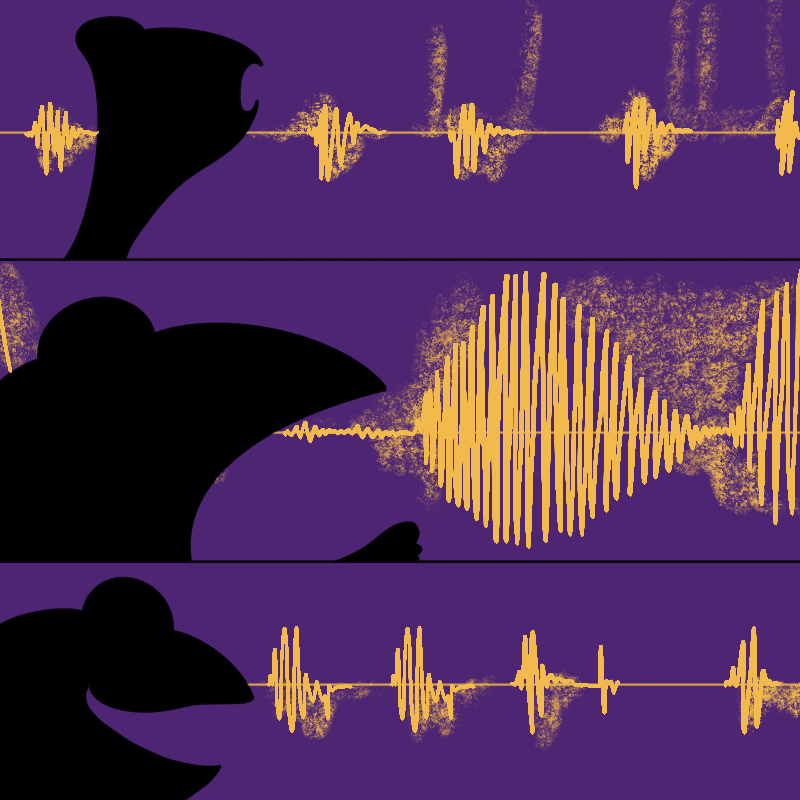
Students will follow in the soggy footsteps of scientists wading through ponds at night to record frogs as they learn about biological tradeoffs that connect humans to horses to frogs. Along the way, they'll decide which male a female frog should choose as a mate, based on analysis of call performance.
Alignment summary( Connected)
Lesson 1
In Lesson 1, students analyze trade-offs in everyday situations and are encouraged to ask questions about how different choices lead to different outcomes. This helps them understand how independent and dependent variables interact in decision-making.
Included resources
3 lessons and 6 supporting media items.
.png)
.png)
Lesson 2
Supporting videos
Additional Resources
Supporting videos
Additional Resources
Supporting videos
SciJourneys: Building Resilience in Science
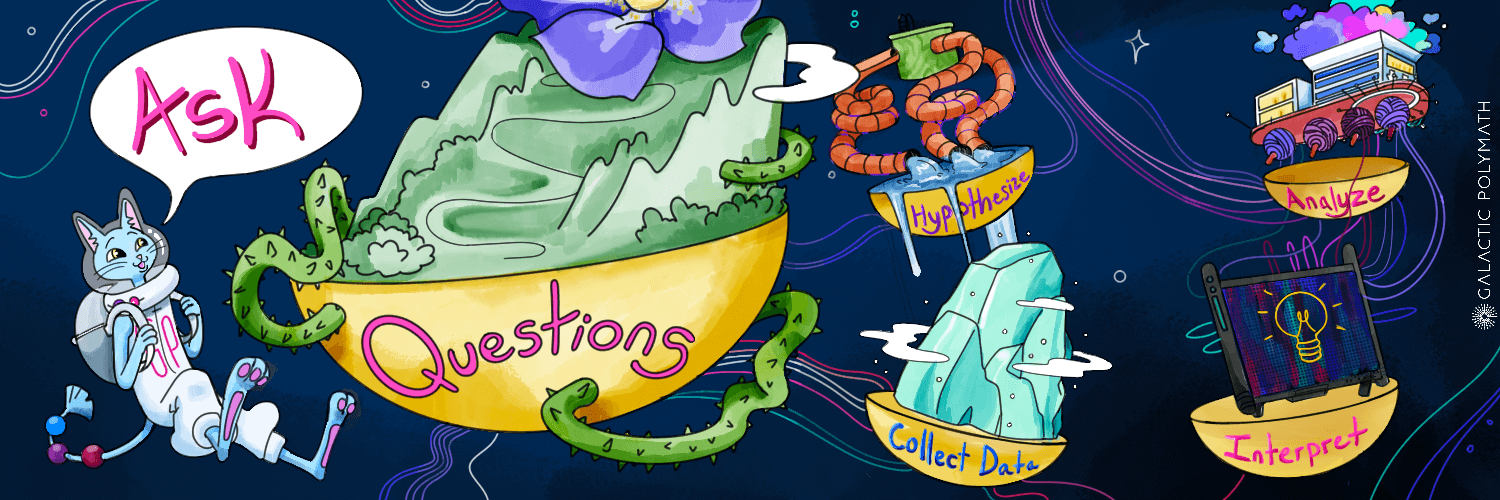
Help students sharpen their skills of inquiry and critical thinking and see that science is all around them! This student-centered, active learning unit helps students build resilience and growth mindsets as they approach scientific methods. Features 3 early career women in STEM!
Alignment summary( Connected)
Lessons: 1, 2, 3
In Lesson 2, students ask questions to determine relationships and modify non-testable hypotheses into testable ones, and in Lesson 3, they explore the relationship between collected data and forming hypotheses to determine which questions can be tested.
Included resources
3 lessons and 8 supporting media items.



Lesson 3
Supporting videos