AQDP-H2 | Science & Engineering Practices
Grades 9-12
Ask questions that arise from examining models or a theory, to clarify and/or seek additional information and relationships.
NGSS | Science & Engineering Practices
Find FREE, ready-to-teach lessons, videos, and more for AQDP-H2 (Next Generation Science Standards). Built by scientists, teachers & artists.
AQDP-H2 | Science & Engineering Practices
Grades 9-12
Ask questions that arise from examining models or a theory, to clarify and/or seek additional information and relationships.
Created with purpose: see how resources connect to this standard.
Showing 3 of 3 units
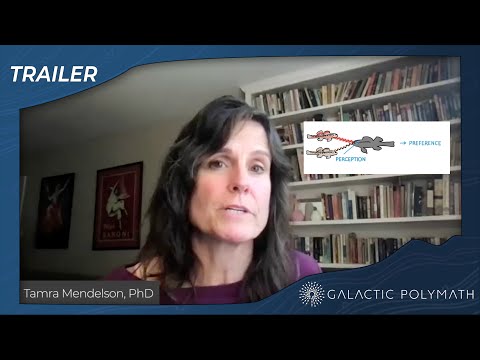
I Like That!: How perception, emotion, and cognition shape our preferences
.png)
Students will conduct experiments and analyze real scientific data as they learn about themselves. They'll learn how our eyes and brains interact to determine what we like and dislike, and apply this knowledge to fish research and the art of character design.
Alignment summary( Target)
Lesson 2
Students will be encouraged to ask questions and share understanding as they develop an understanding of a conceptual model (concept map) of visual processing in the brain.
Included resources
3 lessons and 6 supporting media items.

Lesson 3
Hybrid Zones: Evolution's Testing Grounds
.png)
Students will learn that hybrids are not flukes—they’re commonly found in the wild and our grocery stores! By playing and reflecting on Foraging Frenzy (a research-inspired memory game) students will appreciate how climate change affects species ranges and the direction of evolution.
Alignment summary( Connected)
Lesson 1
Students examine models of species and hybrids to clarify definitions and ask further questions about their characteristics.
Included resources
3 lessons and 4 supporting media items.


Lesson 2
Supporting videos

Lesson 3
Supporting videos
SciJourneys: Building Resilience in Science
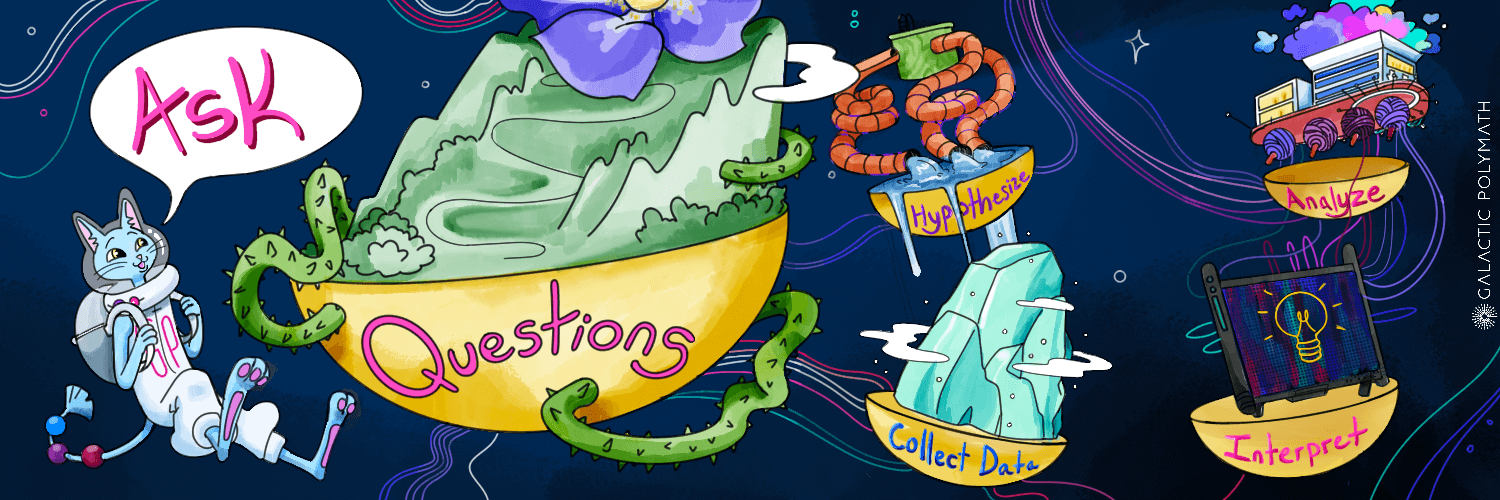
Help students sharpen their skills of inquiry and critical thinking and see that science is all around them! This student-centered, active learning unit helps students build resilience and growth mindsets as they approach scientific methods. Features 3 early career women in STEM!
Alignment summary( Connected)
Lessons: 1, 2, 3
In Lesson 1, students learn from Rose Bear Don’t Walk's questioning techniques and apply them to their own questions; in Lesson 2, they clarify what makes a hypothesis testable by discussing the evidence and premises involved; and in Lesson 3, they clarify what data is needed to understand a phenomenon, enhancing their ability to ask precise questions.
Included resources
3 lessons and 8 supporting media items.


Lesson 3
Supporting videos