C3 FRAMEWORK | Communicating Conclusions & Taking Informed Action

D4.2.9-12 Communicating Conclusions & Taking Informed Action resources

Find FREE, ready-to-teach resources aligned to D4.2.9-12, developed with teachers and artists in partnership with STEM researchers.

Standard statement

D4.2.9-12 | Communicating Conclusions & Taking Informed Action

Grades 9-12

Construct explanations using sound reasoning, correct sequence (linear or non-linear), examples, and details with significant and pertinent information and data, while acknowledging the strengths and weaknesses of the explanation given its purpose (e.g., cause and effect, chronological, procedural, technical).

Standards-Aligned Resources

Created with purpose: see how resources connect to this standard.

Show
GradeAll
AlignmentAll

Showing 3 of 3 units

Unit

Balancing Act: Tradeoffs in frogs, humans, and other animals

Grades

9-12

Balancing Act unit banner

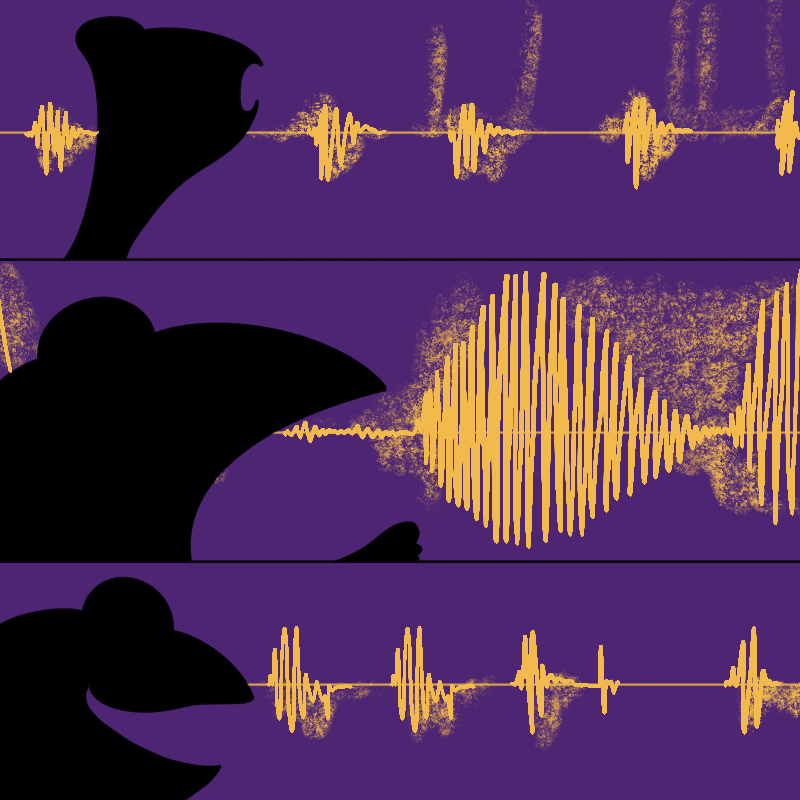
Students will follow in the soggy footsteps of scientists wading through ponds at night to record frogs as they learn about biological tradeoffs that connect humans to horses to frogs. Along the way, they'll decide which male a female frog should choose as a mate, based on analysis of call performance.

Alignment summary( Connected)

Lesson 2

In Lesson 2, students create and present explanations of their findings on trade-offs and performance thresholds, making sure their reasoning is solid and backed by data. This supports the standard's focus on building detailed and well-reasoned explanations.

Included resources

2 lessons and 4 supporting media items.

Show resource details4 items
Open unit

Unit

Females singing to be heard: Challenging long-held assumptions about birdsong through data visualization

Grades

5–8 & 9–12

Females singing to be heard unit banner

Students will learn how data visuals tell a story. They will analyze real bird song data to try to understand why female singing behavior has been overlooked in one of the most common birds in the world. They will also gain a deeper insight into the scientific peer review process.

Alignment summary( Connected)

  • Students are introduced to a research study on female Barn Swallows and are asked to develop explanations for differences in male and female bird songs based on information in a scatter plot - Students compare the information provided in a scatter plot and a histogram - Students discuss the similarities and differences of the two graphs and construct explanations for the perceived differences in findings about female and male Barn Swallows
Open unit

Unit

I Like That!: How perception, emotion, and cognition shape our preferences

Grades

5-9

I Like That! unit banner

Students will conduct experiments and analyze real scientific data as they learn about themselves. They'll learn how our eyes and brains interact to determine what we like and dislike, and apply this knowledge to fish research and the art of character design.

Alignment summary( Connected)

Lessons: 1, 2, 3

At the end of each Part, students will reflect on the experiments and analyses they conducted. This will involve recognizing the strength or limitations of the evidence based on the data at hand.

Open unit

Keep browsing

Get Support

Let us know how we can help.