Goal 12 | Planet
Grades K-12
Ensure sustainable consumption and production patterns
SDGS | Planet
Find FREE, ready-to-teach lessons, videos, and more for Goal 12 (United Nations Sustainable Development Goals). Built by scientists, teachers & artists.
Goal 12 | Planet
Grades K-12
Ensure sustainable consumption and production patterns
Created with purpose: see how resources connect to this standard.
Showing 3 of 3 units
Mā te rauhiringa tātou e ora: Powerful Solutions: How do we provide sustainable energy to communities?

Learn about the energy all around us through a hands-on power generating lab, a web app exploring resilient energy mixes, and stories about Māui’s innovation. In Te Reo Māori, the unit title translates to "It is through positive energy that we thrive." This unit connects to Māori leadership in self-sufficiency and sustainability as inspiration for the future of energy engineering!
Alignment summary( Target)
Lessons: 1, 3
Throughout the unit, but particularly in Lessons 1 and 3, students reflect on the impact of modern energy demands, and explore solutions for more sustainable energy production and consumption.
Included resources
3 lessons and 6 supporting media items.

Lesson 1
Lesson 2
Supporting apps and videos
Colourful Solutions: Chemical Engineering Dyes to Brighten Lives

Students will learn to think like chemical engineers as they delve into the dye technologies that allow us to express ourselves through colourful clothing. They will read and discuss complex texts, analyse concept maps and graphs, and develop an appreciation for indigenous (Māori) dye technology.
Alignment summary( Connected)
Lesson 3
In Part 3, students are walked through a hypothetical example of how overharvesting Murex snails can drive extinction and destroy the market for Tyrian purple dye. They also watch a video about the myriad environmental harms of mass production of fossil-fule-derived synthetic dyes.
Included resources
3 lessons and 3 supporting media items.

Lesson 1
Supporting videos
Lesson 2
Lesson 3
Supporting videos
Future Foods: Can we reduce the carbon footprint of our favorite meals?
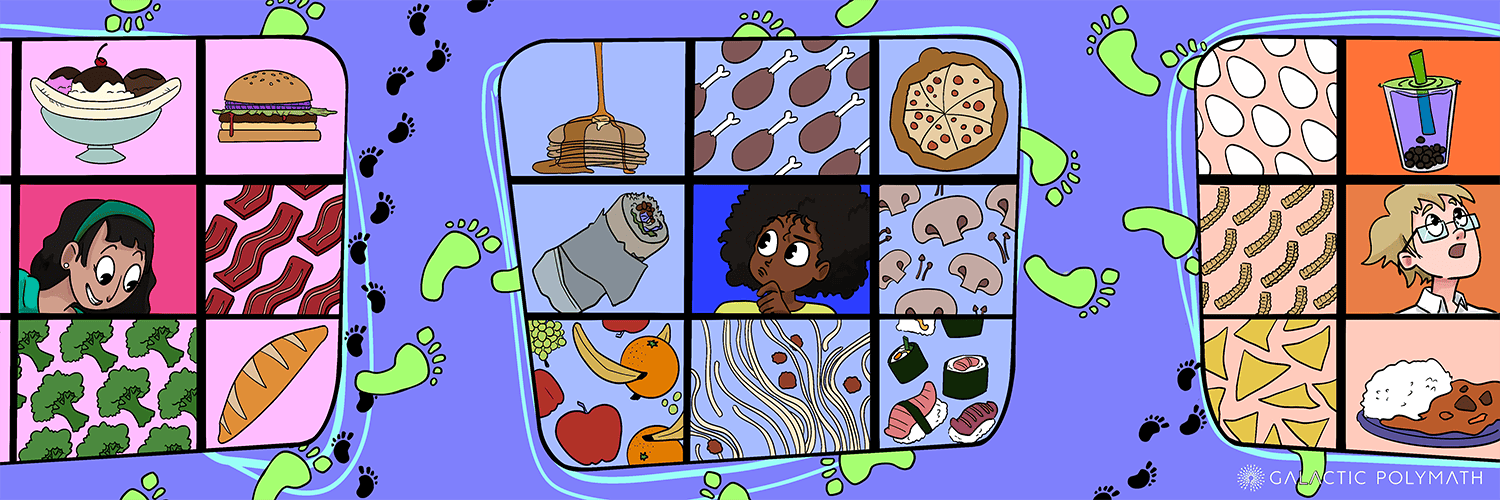
Food and climate are deeply connected. Students will dig into data to discover how our food choices impact greenhouse gas emissions. They will propose solutions to reduce their carbon “foodprint,” both as current consumers and as future food engineers. Students will eat this up in class and savor it for years to come!
Alignment summary( Connected)
Lessons: 1, 2, 3, 4
Students will learn about the journey of food items through the supply chain, and consider solutions on how to decrease the impact. Also, students will learn about the production of new sustainable foods from the researchers at FoodID.
Included resources
4 lessons and 4 supporting media items.


Lesson 4