HSS-ID.C.7 | Measurement, Data, Probability & Statistics
Grades 9-12
Interpret the slope (rate of change) and the intercept (constant term) of a linear model in the context of the data.
Math Measurement, Data, Probability & Statistics
Find free, ready-to-teach resources aligned to HSS-ID.C.7. Designed for the Common Core Mathematics set index.
HSS-ID.C.7 | Measurement, Data, Probability & Statistics
Grades 9-12
Interpret the slope (rate of change) and the intercept (constant term) of a linear model in the context of the data.
Created with purpose: see how resources connect to this standard.
Showing 2 of 2 units
Balancing Act: Tradeoffs in frogs, humans, and other animals
.png)
Students will follow in the soggy footsteps of scientists wading through ponds at night to record frogs as they learn about biological tradeoffs that connect humans to horses to frogs. Along the way, they'll decide which male a female frog should choose as a mate, based on analysis of call performance.
Alignment summary( Connected)
Lessons: 1, 2
In Lessons 1 and 2, students analyze and interpret graphs showing trade-offs in everyday life (Lesson 1) and in nature (Lesson 2) using symbols for data points. They explore the relationship between two variables and its impact, which helps them practice graphing and understanding functions.
Included resources
2 lessons and 4 supporting media items.
.png)
Lesson 1
Supporting videos
.png)
Additional Resources
Supporting videos
Additional Resources
Supporting videos
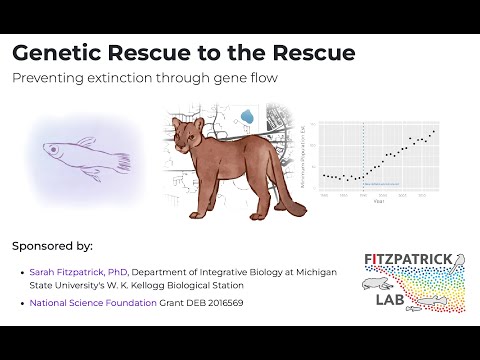
Genetic Rescue to the Rescue: Preventing extinction through gene flow

Students will deepen their understanding of basic genetics concepts as they dive into real data sets from ongoing research. They will hone critical thinking and communication skills and come away with clear examples of how science can lead to positive impacts on wildlife populations.
Alignment summary( Connected)
Lesson 5
Students will interpret population data from Trinidadian guppies and use their findings to explain how it models changes in the Florida Panther population after genetic rescue has occured.
Included resources
5 lessons and 5 supporting media items.

Lesson 2
Lesson 4
Supporting videos